Maintaining a healthy lawn in Maine is all about timing. Unlike warmer regions where grass grows year-round, Maine lawns follow a very defined seasonal cycle. Long winters, wet springs, and shorter growing seasons mean homeowners need a structured approach to lawn care to achieve consistent results.
That is why having a clear seasonal lawn maintenance checklist is so important. Instead of guessing what your lawn needs each month, a structured Maine lawn care schedule helps you stay ahead of growth patterns, weather changes, and seasonal stress that can impact turf health.
Why Maine Lawns Require a Seasonal Approach
Maine’s climate creates unique lawn care challenges. Freezing temperatures, snow cover, spring thaw, and fluctuating moisture levels all influence how grass grows throughout the year. Most lawns in Maine consist of cool-season grasses like fescue, ryegrass, and Kentucky bluegrass, which thrive in cooler temperatures but still require proper maintenance at the right times.
If maintenance is done too early in spring or too late in fall, it can weaken the lawn rather than strengthen it. Following a seasonal lawn maintenance checklist ensures your lawn recovers properly after winter, grows strong through summer, and prepares effectively for the next cold season.
Early Spring Lawn Maintenance (March to April)
Early spring in Maine is more about preparation than heavy lawn work. The ground is often still thawing, and lawns can remain soft and saturated well into April. Jumping into aggressive mowing or fertilizing too early can damage the turf and compact the soil.
This stage of the Maine lawn care schedule should focus on gently cleaning up winter debris, inspecting for snow mold or patchy areas, and allowing the lawn to dry out naturally. Light raking helps remove dead grass and improves airflow without pulling up healthy roots. It is also important to monitor growth before mowing. Grass should be actively growing and dry before the first cut of the season.
Patience during early spring sets the foundation for stronger growth later in the year.
Mid to Late Spring Maintenance (April to May)
As temperatures stabilize and sunlight increases, lawn growth becomes more consistent. This is when your seasonal lawn maintenance checklist should shift toward active care. Regular mowing begins once the grass reaches a healthy height and the soil is no longer overly wet.
Maintaining proper mowing height is especially important during this time. Cutting too short in spring can stress the lawn and slow down recovery after winter dormancy. Keeping grass slightly taller encourages deeper roots and thicker turf.
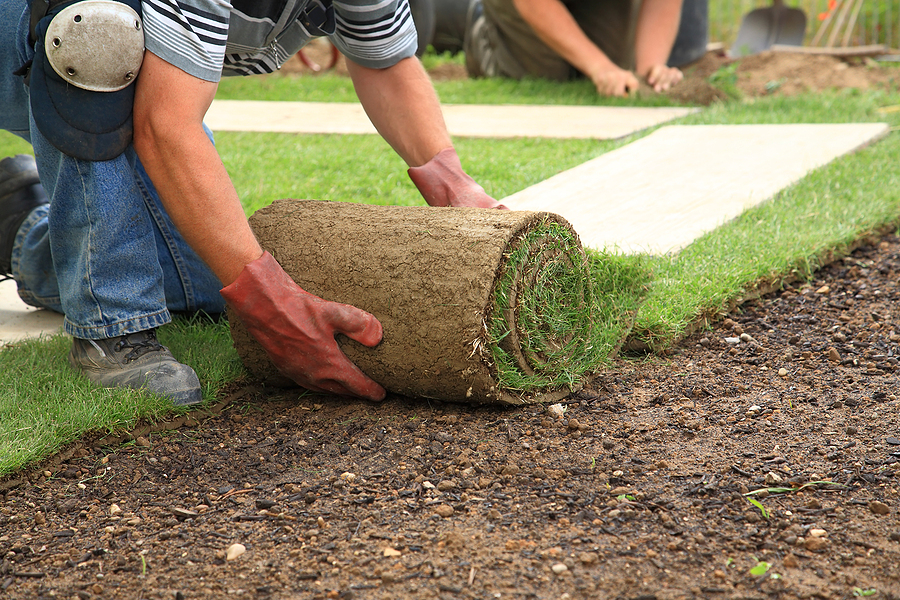
Late spring is also an ideal time to address bare spots and light overseeding if needed. With mild temperatures and steady moisture, new grass seed has a better chance of establishing before summer heat arrives.
Summer Lawn Maintenance (June to August)
Summer in Maine is typically the most active growing period for lawns, but it also introduces heat, humidity, and occasional dry spells. A consistent Maine lawn care schedule during summer focuses on mowing, watering, and monitoring lawn stress.
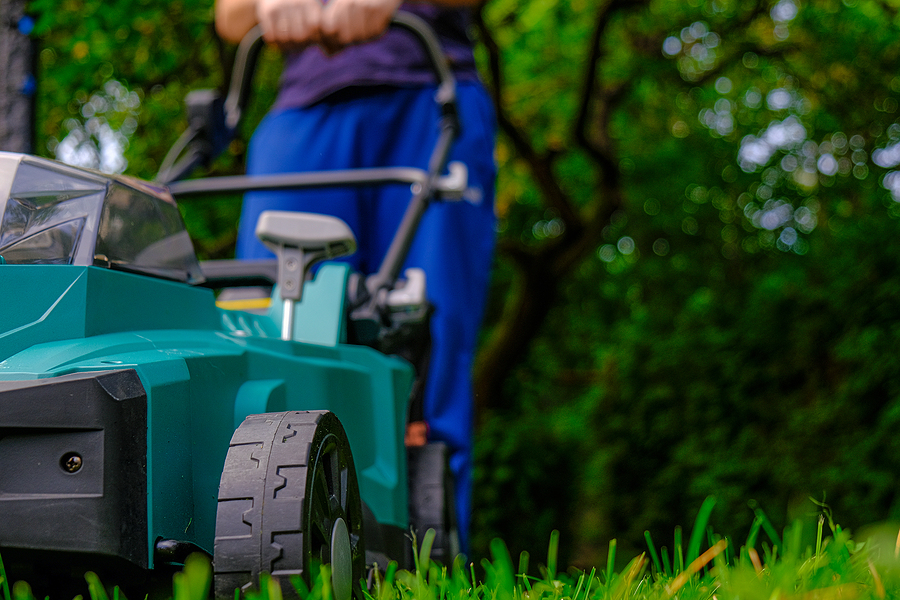
Mowing should remain consistent, usually weekly, depending on rainfall and growth rate. Grass should never be cut too short during the summer months, as taller blades help shade the soil and retain moisture. Proper watering is also key. Deep, infrequent watering is more beneficial than frequent shallow watering because it promotes stronger root systems.
During hotter periods, lawns may slow their growth slightly. Adjusting mowing frequency rather than forcing a rigid schedule helps prevent unnecessary stress on the turf.
Fall Lawn Maintenance (September to November)
Fall is one of the most important seasons in any seasonal lawn maintenance checklist for Maine. Cooler temperatures and consistent moisture create ideal conditions for lawn recovery and root development before winter.
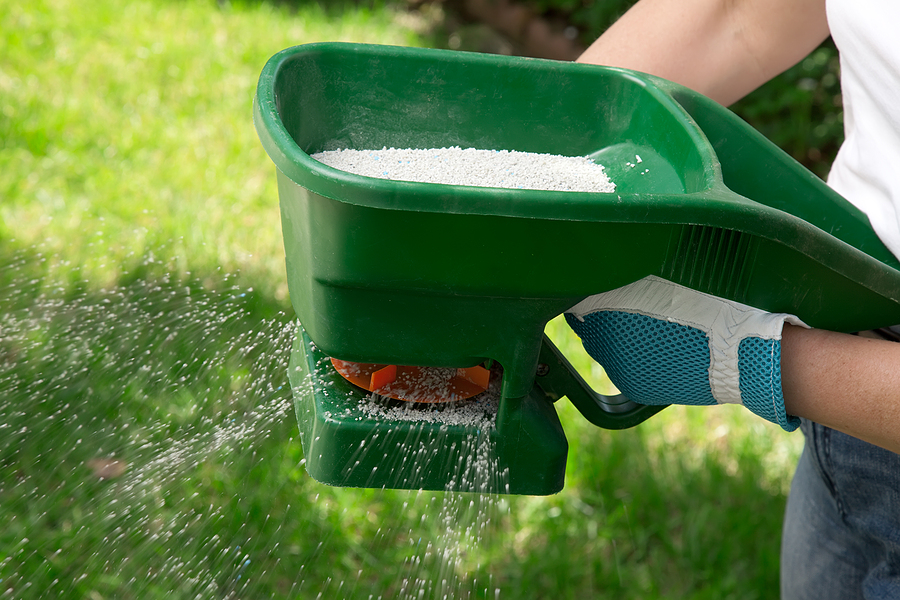
This is the best time for aeration, overseeding, and fertilization. Aerating the soil improves nutrient absorption and reduces compaction caused by summer foot traffic. Overseeding helps thicken the lawn and repair any thin areas that developed during warmer months.
Regular mowing should continue through the fall as long as the grass is actively growing. Gradually lowering mowing height slightly toward the final cuts of the season helps prepare the lawn for winter dormancy without shocking the grass.
Leaf management is also critical during this stage. Allowing leaves to sit on the lawn can block sunlight and trap moisture, leading to mold and turf damage.
Late Fall and Pre-Winter Preparation
As temperatures drop and growth slows, lawn care shifts toward winter preparation. The final mow of the season should occur before the first heavy frost, with the grass left at a moderate height to prevent matting under snow.
Removing debris, branches, and heavy leaf buildup is essential. A clean lawn heading into winter reduces the risk of disease and snow mold when the snow melts in spring. This final phase of the Maine lawn care schedule is about protecting the lawn during dormancy rather than encouraging growth.
Winter Lawn Care Awareness (December to February)
While active lawn maintenance pauses during winter, care still matters. Avoid excessive foot traffic on frozen or snow-covered grass, as this can damage the turf structure beneath the surface. Heavy objects left on the lawn for long periods can also create dead patches that appear in spring.
Winter is also a good time to plan for the upcoming season. Reviewing your seasonal lawn maintenance checklist and scheduling early services ensures a smoother transition once temperatures begin to rise again.
Stay Consistent With a Reliable Maine Lawn Care Schedule
Maintaining a healthy lawn in Maine requires more than occasional mowing. It requires consistency, seasonal awareness, and a proactive approach that aligns with the region’s climate patterns. Following a structured seasonal lawn maintenance checklist helps homeowners avoid common issues like patchy growth, weed invasion, and seasonal lawn stress.
With the right Maine lawn care schedule, your lawn can recover faster in spring, stay resilient through summer, and enter winter in a strong, healthy condition.
Keep Your Lawn Healthy Through Every Season
If you want dependable, professional care that follows a proven seasonal lawn maintenance checklist, One Mow Co. is here to help. Contact us to schedule expert lawn services and stay on track with a reliable Maine lawn care schedule designed for consistent, high-quality results year-round.