A healthy lawn should feel soft underfoot, but not spongy. If your grass feels thick and bouncy or starts looking patchy despite regular care, thatch could be the issue. Understanding preventing thatch is key to keeping your lawn healthy, balanced, and growing the way it should.
At One Mow Co., we often see lawns that struggle simply because thatch has built up over time. The good news is that with the right approach, preventing lawn thatch buildup is manageable and highly effective. It starts with consistent, routine maintenance.
What Is Thatch and Why It Matters
Thatch is a layer of organic material that sits between the soil and the grass blades. It’s made up of dead grass, roots, and debris that haven’t fully broken down. A thin layer is normal, but too much can create problems.
When thatch becomes too thick, it blocks water, air, and nutrients from reaching the soil. This weakens the root system and makes your lawn more vulnerable to stress, pests, and disease. Over time, it can lead to uneven growth and a decline in overall lawn health.
That’s why preventing thatch is about maintaining balance rather than eliminating it completely.
How Thatch Builds Up Over Time
Thatch doesn’t appear overnight. It builds gradually when organic material accumulates faster than it can decompose. Several factors can contribute to this process.
Overwatering is one of the most common causes. Excess moisture slows down the natural breakdown of organic matter and encourages buildup. Poor soil conditions can also limit microbial activity, which is necessary for decomposition.
Improper mowing habits can play a role as well. When grass is cut inconsistently or left too long between mows, it can contribute to excess debris on the lawn.
The Role of Consistent Lawn Mowing
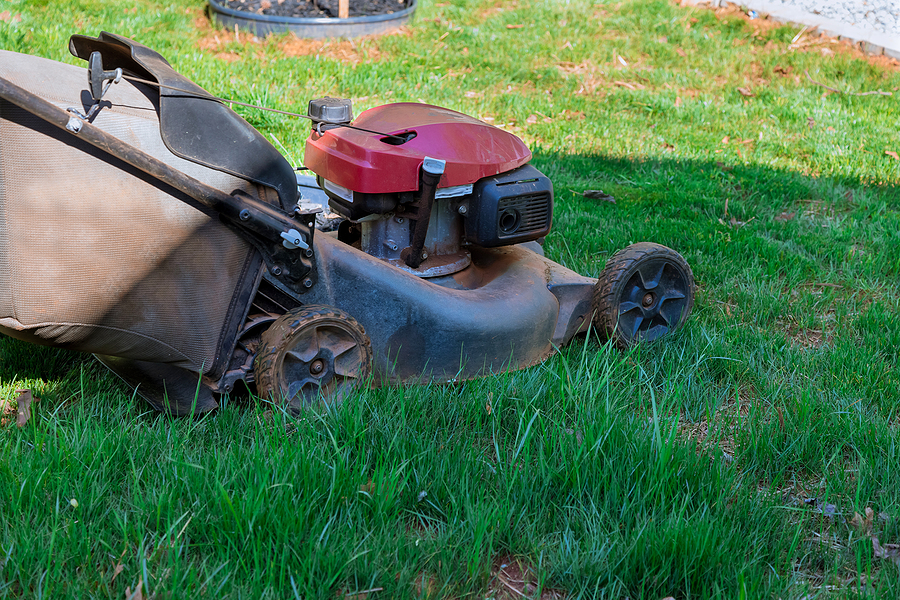
Routine mowing is one of the simplest ways to manage thatch.
Keeping your grass at a consistent height helps control how much organic material is produced. It also encourages healthy growth patterns that support natural decomposition.
Cutting too much at once, however, can have the opposite effect. Large clippings can accumulate and contribute to thatch if they aren’t broken down properly.
Maintaining a regular mowing schedule is a key part of preventing lawn thatch buildup.
Why Proper Watering Makes a Difference
Watering practices have a direct impact on thatch levels. Too much water creates an environment where organic material doesn’t break down efficiently. It can also lead to shallow root systems, which contribute to weaker grass and more buildup.
Watering deeply but less frequently encourages stronger roots and healthier soil activity. This supports the natural processes that help prevent excessive thatch. Finding the right balance is essential for long-term lawn health.
Soil Health and Microbial Activity
Healthy soil plays a major role in breaking down thatch. Microorganisms in the soil are responsible for decomposing organic material. When soil conditions are poor, this process slows down, allowing thatch to accumulate.
Improving soil health through proper aeration and maintenance supports these natural processes. It helps create an environment where thatch is broken down more efficiently.
Focusing on soil health is one of the most effective ways to manage thatch over time.
Importance of Aeration
Aeration is a key step in preventing thatch. By creating small openings in the soil, aeration allows air, water, and nutrients to reach the root zone more easily. It also helps stimulate microbial activity, which aids in breaking down organic material.
Compacted soil can contribute to thatch buildup by limiting these processes. Aeration helps relieve that compaction and improves overall lawn performance.
In many cases, regular aeration can significantly reduce the risk of excessive thatch.
Signs Your Lawn May Have Too Much Thatch
Recognizing the signs of thatch buildup can help you take action early.
A spongy feel underfoot is one of the most common indicators. You may also notice that water doesn’t absorb properly or that your lawn looks uneven despite regular care.
Other signs include increased pest activity and areas of weak or thinning grass. These issues often point to underlying problems with thatch.
Addressing these signs early helps prevent more serious damage.
Long-Term Benefits of Preventing Thatch
Keeping thatch under control leads to a healthier, more resilient lawn.
When water and nutrients can reach the roots effectively, grass grows stronger and more evenly. This improves both appearance and durability.
A well-maintained lawn also requires less intervention over time. It becomes more resistant to common issues, reducing the need for additional treatments.
Focusing on preventing lawn thatch buildup helps create a lawn that thrives naturally.
Work with One Mow Co.
Maintaining the right balance in your lawn takes consistency and attention to detail. Preventing thatch is an important part of that process, and it starts with routine care done the right way.
At One Mow Co., we provide professional lawn care services designed to support healthy growth and prevent common issues like thatch buildup. We focus on proper mowing, maintenance, and timing to keep your lawn performing at its best.
If you want a lawn that looks great and stays healthy year-round, we’re here to help. Contact One Mow Co. today to schedule your service and take the guesswork out of lawn care.