If you live near the coast, you already know your lawn does not behave the same way as it does inland. You can water, mow, and fertilize the same way someone else does a few miles away and still get very different results.
That is because coastal soils come with their own set of challenges. Salt exposure, sandy composition, and shifting moisture levels all affect how grass grows. Standard lawn care routines often fall short because they are not built for these conditions.
Understanding how coastal soils work is the first step toward building a lawn that actually holds up over time.
What Makes Coastal Soils Different
Coastal soils are typically lighter and sandier than inland soils. That means they drain quickly, which can sound like a good thing at first. The downside is that they also struggle to hold onto moisture and nutrients.
Salt is another factor. Ocean air carries salt particles that settle into the soil, especially in areas closer to the shoreline. Over time, that salt can build up and affect how well the grass absorbs water and nutrients.
Wind also plays a role. Coastal areas tend to experience stronger, more consistent winds, which can dry out soil and stress grass more quickly.
All of these factors combine to create a growing environment that requires a different approach.
Why Traditional Lawn Care Falls Short
Most lawn care practices are designed for more balanced soil conditions. In coastal areas, those same methods can lead to frustration.
Watering schedules that work inland may not be enough because moisture drains away too quickly. Fertilizers can wash through sandy soil before the grass has a chance to absorb them. Even mowing habits may need to be adjusted to reduce stress on already fragile turf.
Without adapting to these conditions, it becomes a cycle of trying to fix problems that keep coming back.
Building a Lawn That Can Handle Coastal Conditions
The goal in coastal lawn care is not just to maintain grass. It is to create an environment in which it can survive and remain consistent despite the challenges.
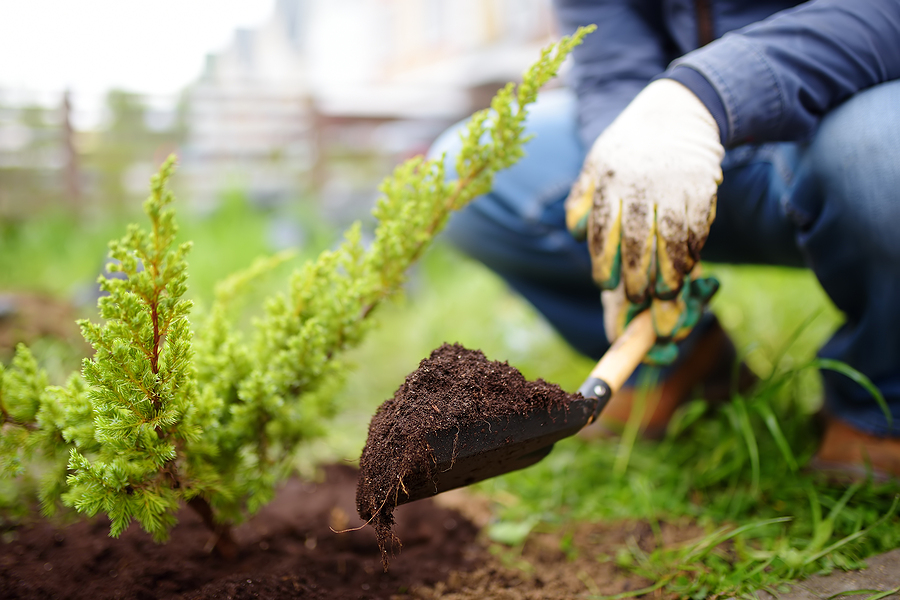
This starts with improving the soil itself. Adding organic matter helps sandy soil retain both moisture and nutrients. Over time, this creates a more stable base for grass to grow.
Choosing the right grass type also matters. Some varieties handle salt and dry conditions better than others, making them more suitable for coastal properties.
Everything works together. Soil, grass type, watering, and maintenance all need to be aligned with the environment.
Watering Strategies That Actually Work
Watering in coastal areas is not about frequency alone. It is about how water interacts with the soil.
Because sandy soil drains quickly, it often requires deeper, more controlled watering rather than frequent shallow applications. This encourages roots to grow deeper and access moisture more effectively.
At the same time, it is important to account for natural rainfall and avoid overwatering. Too much water can wash nutrients away and create new problems.
Finding the right balance is key, and it often requires adjusting based on the season and weather patterns.
Managing Salt Exposure
Salt is one of the biggest challenges for coastal lawns, and it is not always obvious when it is causing problems.
Over time, salt can interfere with the grass’s ability to take in water. Even when the lawn is being watered properly, it may still show signs of stress.
Managing salt exposure often involves periodically flushing the soil with fresh water and maintaining healthy soil conditions to help dilute salt buildup.
It is not about eliminating salt. It is about preventing it from reaching levels that impact growth.
Mowing Practices for Coastal Lawns
Mowing plays a bigger role in coastal lawn health than many people realize.
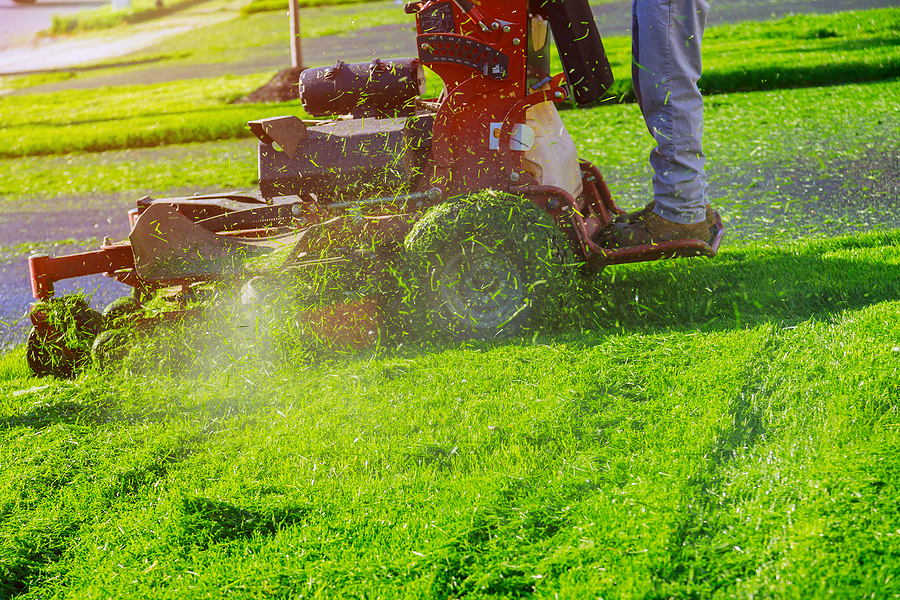
Keeping grass slightly longer helps protect it from wind and sun exposure. Taller grass also shades the soil, which helps retain moisture and reduce stress during warmer periods.
Sharp mower blades are especially important in this environment. Clean cuts help the grass recover quickly, while torn edges from dull blades can lead to additional stress.
Consistency is more important than frequency. Regular mowing at the right height supports stronger, more resilient turf.
Key Lawn Service Adjustments for Coastal Soils
Maintaining a coastal lawn requires a few targeted adjustments to standard practices:
- Adding organic matter to improve soil structure and nutrient retention
- Adjusting watering techniques to account for fast drainage
- Monitoring and managing salt levels over time
- Mowing at a height that reduces stress and protects the soil
These changes may seem small, but together they create a more stable environment for grass to grow.
Why Professional Lawn Services Make a Difference
Coastal lawn care is not just about doing more work. It is about doing the right work.
Professionals who understand coastal conditions know how to adjust each part of the process. They recognize early signs of stress, adapt to changing weather, and use techniques that support long-term health rather than short-term fixes.
That experience helps avoid the trial-and-error approach many homeowners take when trying to manage coastal soil challenges on their own.
The Bottom Line
Coastal soils create a unique set of challenges that require a different approach to lawn care. Fast drainage, salt exposure, and environmental stress all play a role in how your lawn performs.
By adjusting soil management, watering, and mowing practices, you can create a lawn that not only survives but looks consistent and healthy over time.
The key is to work with the conditions rather than fight them.
CTA
If you are dealing with the challenges of coastal soil and want a lawn that actually holds up, One Mow Co can help. Our team understands how to manage coastal conditions and deliver lasting results. Reach out today to schedule service and take the guesswork out of your lawn care.