A carpet of clover, dandelions, chickweed, crabgrass and other unwanted vegetation doesn’t take long to ruin a lawn’s healthy appearance. The good news is that it’s usually easier to prevent weeds from overtaking a lawn than to eliminate an established infestation. But how do you stop clover and weeds from spreading throughout your yard?
How Do I Prevent Clover and Weeds From Overtaking My Lawn?
The best way to prevent clover and weeds from taking over your lawn is to establish a healthy, thick stand of turf that crowds weeds and clover out before they ever become a problem.
While many homeowners may think of weeds popping up at random, most lawn weeds are actually a symptom of a weak lawn. When turfgrass becomes thin due to compacted soil, over-watering, improper fertilization, incorrect mowing habits, or irregular watering schedules, weeds and clover find an opportunity to move in.
By understanding the conditions that encourage weeds to take over and by taking lawn care preventative measures throughout the year, you can maintain a greener lawn with fewer weeds.
Why Does Clover Grow in Lawns in the First Place?
Clover is usually one of the first weeds you’ll see when turfgrass becomes weak. There are a number of reasons this may happen but most start with low levels of nitrogen in the soil.
Nitrogen is important for plant growth but clover has the ability to extract nitrogen from the air and use it as a food source. As a result, clover can out-compete grass when soil nitrogen levels become depleted.
Anytime your lawn is weak for any reason, clover has a jump start on turfgrass. Since clover seeds spread rapidly and grow in patches connected by creeping stems, it will quickly fill in any bare or thin spots before healthy grass even has the chance to get started.
If you like clover because it attracts pollinators and improves your soil, that’s great! But most homeowners prefer a thick stand of turfgrass with no weeds. If you’re like most homeowners and would like your lawn to out-compete clover, improving your lawn’s overall health is one of the best long-term solutions for preventing clover.
What Makes Weeds Take Over a Lawn?
Weeds move in when turfgrass becomes thin or stressed for any number of reasons:
- You’re not following proper mowing guidelines
- You over-water or under-water your lawn
- Soil compaction limits grass growth
- Poor drainage
- Lack of fertilizer
- You have bare patches in your lawn
- Your lawn is overly shaded
- Lawn maintenance is irregular
Weeds love it when your turfgrass dies down because sunlight reaches the soil surface and creates the perfect environment for weed seeds to sprout and spread. Keep in mind that just because you don’t see weeds doesn’t mean they aren’t present. Many weed seeds lay dormant under the soil for years just waiting for the perfect conditions to grow.
Can Proper Mowing Help Prevent Clover and Weeds?
Yes! Proper lawn mower practices are one of the easiest ways to prevent weeds but it’s often overlooked. Most homeowners make the mistake of cutting their grass too short because they don’t want to mow as often.
Cutting your grass too short, also known as scalping, can weaken your turf and open the door for weeds to become established. Not only does taller grass shade the soil (making it harder for weed seeds to germinate), but regular mowing also prevents some weeds from maturing and producing seeds that can spread to other areas of your lawn.
Follow your grass species’ recommended mowing height at all times. Every species of grass has a different ideal mowing height but remember this: The taller you can grass, the deeper the roots will grow and the stronger your lawn will be.
How Important Is Fertilization?
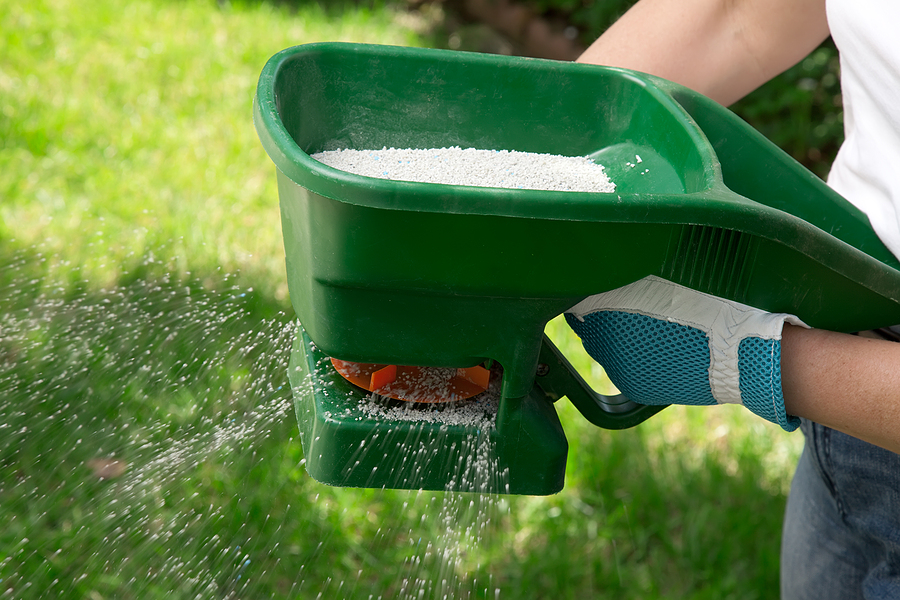
Fertilization is another huge factor when it comes to stopping weeds and clover from spreading. Since clover can thrive on soil that’s low in nitrogen, it’s important to fertilize your lawn regularly to give your grass the upper hand. Well fertilized lawns grow thicker and denser which leaves less room for weeds to become established.
That being said, too much fertilizer can be just as bad as not enough. By having your soil tested, you can determine what nutrients your lawn may be lacking. Professional lawn care companies take soil samples and use the results to create a customized fertilization schedule based on grass species, soil conditions, and seasonal weather patterns.
Does Watering Affect Weed Growth?
Yes! In fact, many homeowners actually water too much. By failing to water long enough between each zone, grass roots will only grow near the surface. Once grass roots become shallow, weeds that thrive in these conditions move right in.
Water lawns thoroughly each time instead of spreading your watering out over a longer period of time. Deep watering encourages roots to grow deeper into the soil which allows grass to withstand drought and out-compete weeds.
Try to water consistently during periods of heat and drought when grass can become stressed and more susceptible to weeds.
Should Bare Spots Be Repaired Quickly?
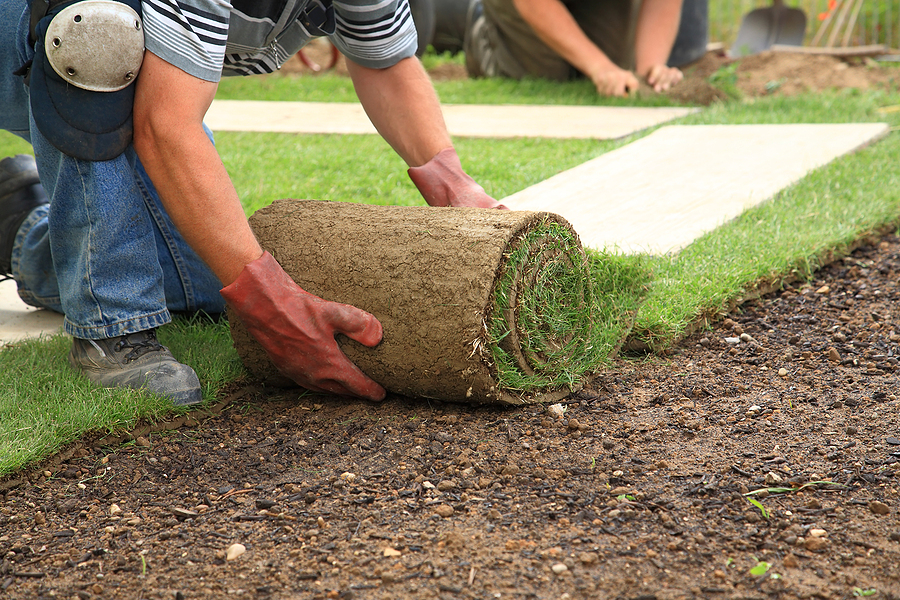
Yes! Bare spots are like welcome mats for weeds. Anytime grass dies or thins out, weed seeds have direct access to bare soil. Fill in bare spots as soon as possible by overseeding or using sod to prevent weeds from establishing strong roots.
The longer you wait to fill in bare spots, the more chances weeds have to take over. Before you know it, clover, crabgrass and broadleaf weeds will have completely overtaken your once beautiful lawn.
What Is Overseeding and Why Does It Help?
Over-seeding is the process of spreading new grass seed over existing grass to help improve turf density. Just like any other plant, grass will naturally thin out as it gets older. By overseeding your lawn, you’re introducing new plants that help fill in bare spots and make your lawn thicker. Thicker lawns give weeds fewer places to invade.
Many lawn care companies recommend overseeding during the fall because grass grows best in cooler temperatures with lots of available moisture.
Should Existing Clover and Weeds Be Removed?
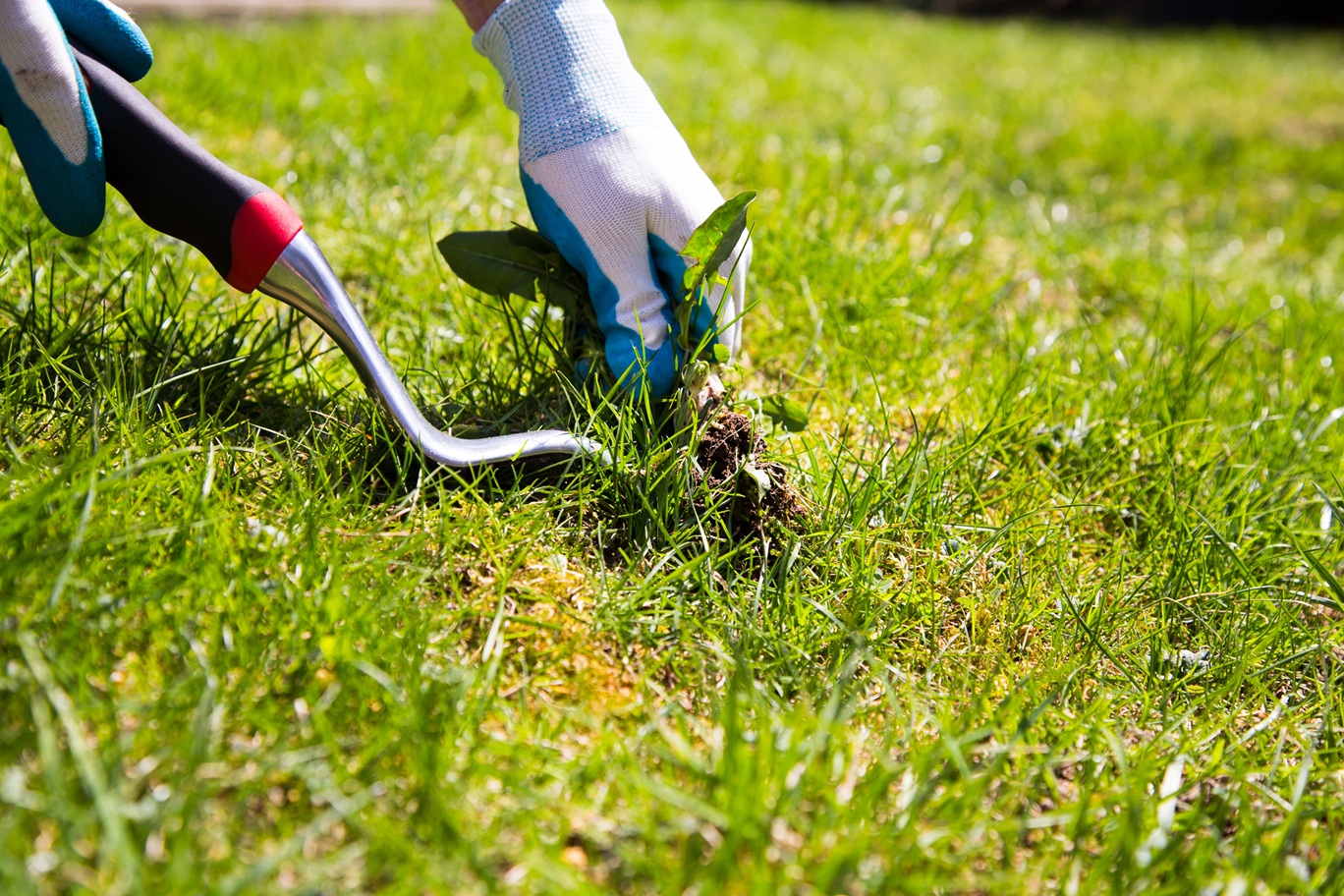
You bet. For small problems, hand pulling can be effective as long as you remove the entire root from the soil. For larger weed problems, you may need to use selective herbicides that target broadleaf weeds without damaging surrounding grass.
Timing is important when treating existing weeds. Make sure you apply any weed treatment when the weeds are in their most active stage of growth. A professional lawn care company can identify the types of weeds on your property and apply the most effective weed prevention products at the right time of year.
How Can Aeration Help Prevent Weeds?
Soil compaction. Soil compaction is lawn kryptonite. When soil becomes compacted, water, oxygen, and nutrients struggle to permeate the soil and reach grass roots. As your lawn starts to die off, you can almost guarantee weeds will move in.
Core aeration alleviates soil compaction by removing small cores of soil. This improves root growth and promotes a stronger, healthier lawn.
Once your lawn has been properly aerated, you’ll probably notice a big difference in the thickness of your lawn over time. Thick lawns have fewer weed problems simply because they don’t give weeds an opportunity to grow.
Is Prevention Easier Than Weed Removal?
You betcha. If you wait until weeds become a problem, it’s only going to require multiple applications of preventative measures moving forward. Preventative lawn care doesn’t just cost less, it yields much better results!
Think about it this way – healthy lawns resist weed growth because a thick stand of turf blocks sunlight, limits available water, competes for nutrients, and leaves little room for weed growth.
What’s the Best Way to Keep Clover and Weeds Out of My Lawn Long-Term?
The answer is simple… keep your lawn healthy! Follow proper mowing, fertilization, watering, aeration, overseeding, and weed prevention techniques and your lawn will naturally fight off weeds.
No lawn will ever be completely weed free but with the right maintenance program you can drastically reduce the chances of clover and weeds popping up throughout your yard. If you’re wondering “how do I prevent clover and weeds from taking over my lawn?” the answer lies in annual lawn maintenance.
Preventative lawn care starts with a professional lawn evaluation from the lawn care experts at One Mow Co. We can help you identify trouble spots, improve your lawn’s overall health, and apply the right weed prevention products to keep your lawn looking its best year round.
Reach out to One Mow Co. today and find out how professional lawn services can help you maintain a greener, healthier lawn that’s resistant to weeds.