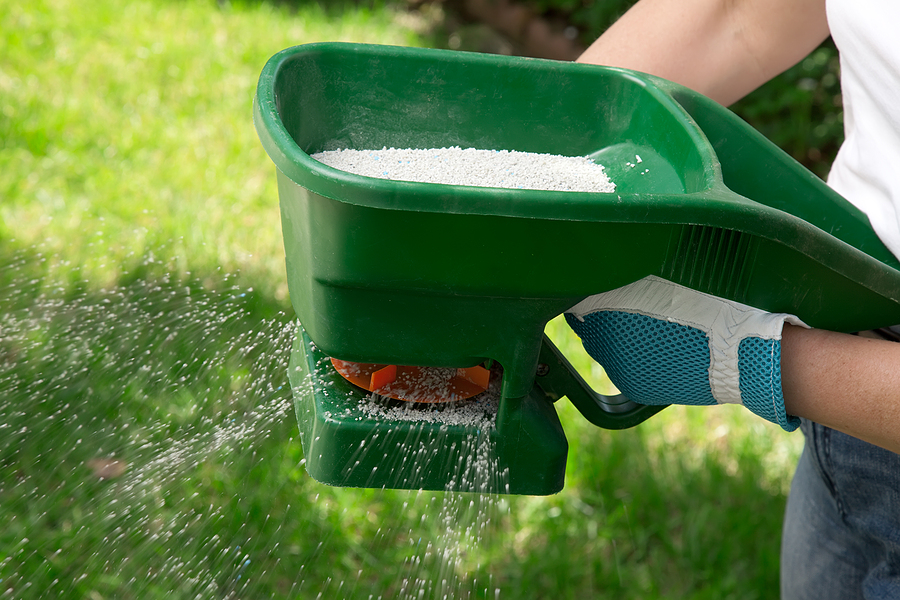
If you’ve ever stared at the bag of fertilizer wondering “what does the NPK ratio on fertilizer mean for my grass?” you’ve come to the right place. NPK fertilizers contain nutrients, and the numbers on the bag signify how much of each nutrient is in the bag. N stands for nitrogen, P stands for phosphorus, and K stands for potassium. Knowing what each of these three nutrients does can help you pick the best fertilizer for your lawn’s needs.
Every fertilizer will have nutrients, but that doesn’t mean all fertilizers will have the same purpose. You can pick your fertilizer needs based on knowing what the NPK numbers mean.
What Do the Numbers on a Bag of Fertilizer Mean?
The numbers on a bag of fertilizer are displayed in that order: nitrogen, phosphorus, and potassium. The numbers represent the amount of that nutrient that makes up the fertilizer’s weight.
A fertilizer with 30-10-5:
- Has 30% nitrogen
- Has 10% phosphorus
- Has 5% potassium
Different fertilizers will have different percentages of each of these nutrients.
Knowing this can help you choose a fertilizer that’ll serve your lawn well.
Why is Nitrogen Important for Grass?
Nitrogen is crucial for chlorophyll production and giving your lawn its dark green color. With enough nitrogen, your lawn will experience fast growth and density while maintaining a dark green color.
Nitrogen helps the blades of grass grow back after they have been cut or stressed by things such as pets, children playing, heat, and drought. Applying too much nitrogen can create unwanted top growth, which means more mowing.
Phosphorus is Key for Roots
Phosphorus is important for root development and energy transfer within the plant. Phosphorus helps grass establish strong roots, which aid in better nutrient and water uptake.
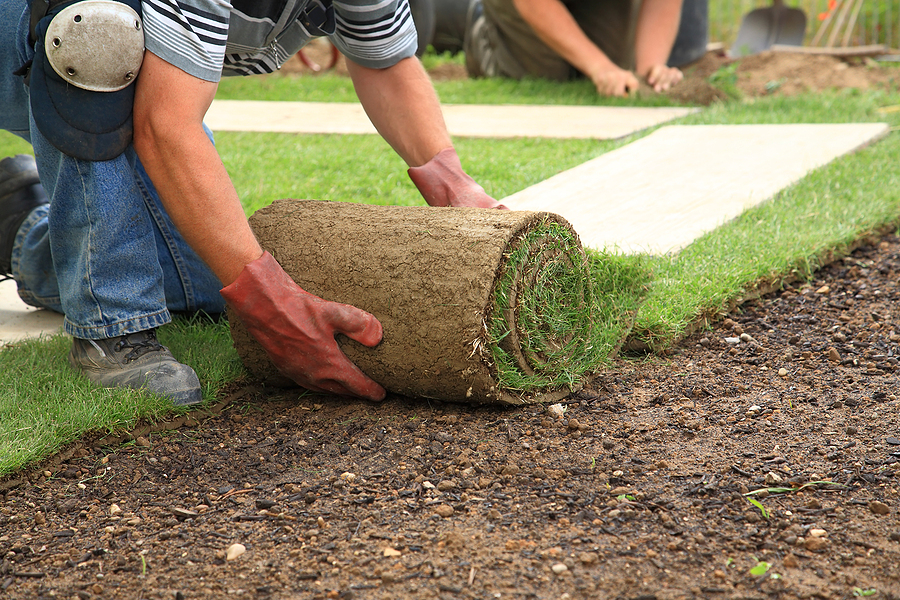
Lawns that are new, overseeded, or freshly aerated can benefit from phosphorus because you want to encourage root growth while the grass is young and developing.
A starter fertilizer often has more phosphorus than a regular lawn fertilizer because it’s needed for new grass.
Should Established Lawns Get Phosphorus?
If you do not have a new lawn, you may or may not need phosphorus. Typically, if your lawn is established, you do not need phosphorus unless a soil test indicates you do.
Phosphorus-containing fertilizer is sometimes restricted in certain states and towns because it can run off into the water systems.
Does Potassium Make a Difference?
Potassium helps lawns combat disease, heat, drought, cold, and high traffic. It won’t help with quick growth like nitrogen, but it does help your lawn become stronger.
Lawns with enough potassium have been shown to have fewer issues when faced with extreme conditions.
Think of potassium like you would sunscreen for your lawn. It helps your lawn prepare for times of high stress like summer and winter.
Does my Lawn Need a High N-P-K Ratio?
Just because a bag of fertilizer has a higher NPK ratio doesn’t mean you should use that one. You want to look at your lawn and what it needs before applying any fertilizers.
A fertilizer with a high nitrogen content would be used for improving color and quick growth. If you just installed new grass, you would look for a fertilizer with higher phosphorus levels.
If you want to prepare your lawn for stress, you may apply a fertilizer with higher potassium levels.
Know your lawn and pick the fertilizer that will help you reach your lawn care goals.
Do Higher N-P-K Ratios Mean a Better Fertilizer?
No. Putting down too much fertilizer can harm your lawn. Just like anything else, too much of a good thing can be bad.
Putting down excess fertilizer can cause more lawn growth, which means more lawn maintenance on your end. Not to mention you could burn your lawn by applying too much fertilizer.
Lawns need balance to stay happy and healthy. Your goal should be to provide your lawn with the right nutrients at the right time.
Do I Need a Soil Test?
Soil tests are one of the best ways you can find out what your lawn needs. By doing a soil test, you aren’t guessing at what your lawn may need.
A soil test can tell you:
- If your soil is lacking in certain nutrients
- If you have too much of certain nutrients
- If your pH levels are off
- Which fertilizer would be best for your lawn
- How you can improve your lawn’s overall health
Should I Fertilize Every Time I Mow?
Not necessarily. This all depends on the type of grass you have, weather, soil conditions, and what you want to achieve with your lawn.
Cool-season grass and warm-season grass require different nutrients and don’t grow during the same time periods.
Just because you shouldn’t fertilize every time you mow doesn’t mean you shouldn’t have a fertilization plan. Fertilizing your lawn throughout the year helps your lawn stay healthy, green, and growing.
Lawns that don’t get enough fertilizer aren’t getting the maximum benefits they could. Not over- or under-fertilizing your lawn can be tricky.
Can a Lawn Care Professional Help You Choose the Right Fertilizer?
Yes they can! Picking a fertilizer by looking at the numbers can land you in the wrong place. A lawn care professional looks at your grass type, soil conditions, the current season, and overall health of the lawn.
They can determine whether your lawn is lacking certain nutrients and whether you need to aerate or overseed. Lawn care professionals create a plan that will meet your lawn’s needs all year long.
Hiring a lawn care professional can help point out what you may be doing wrong and help you achieve the lawn you’ve always wanted.
One Mow Co. Has the Fertilizer Expertise You Need
Knowing what the NPK ratio on fertilizer means for your grass is great, but there’s more that goes into happy and healthy grass. Applying the right fertilizer at the wrong time may do more harm than good.
At One Mow Co., we understand that no two lawns are alike. Whether you need fertilizer or a complete lawn maintenance program, we can create a customized plan that’ll help your lawn thrive.
Contact One Mow Co. today to learn more about our professional lawn care services and see how the right fertilization plan can help give you a greener lawn year-round.