Living near the coast comes with many benefits, including beautiful views, ocean breezes, and easy access to water. Yet landscaping near the ocean also presents special challenges that those living farther inland never have to worry about. Salt air, wind, sandy soil, and shifting weather conditions all impact your lawn, trees, shrubs, and flowers. To keep your landscape healthy and attractive year-round, it’s important to understand these issues. Use these Kennebunk landscaper tips for salt-air exposure to better care for your outdoor space.
Do you live near the ocean and wonder how salt air affects your landscape? You might be surprised to learn that salt can impact vegetation beyond plants in the immediate shoreline. Ocean winds can carry salty particles for miles inland, making landscapes throughout Kennebunk and other coastal communities vulnerable to salt exposure.
How Salt Air Affects Landscapes
Plants can experience stress when exposed to salt in the air.
Salt that accumulates on leaves and stems can prevent plants from properly absorbing moisture. This can cause dehydration, leaf burn, discoloration, and stunted development.
Salt exposure can also impact soil conditions. As salt builds up in the soil, it can hinder the plant’s ability to take up water and nutrients through its root system.
Signs you have salt-affected plants may include:
- Brown or burnt leaf edges
- Yellowing leaves
- Reduced growth
- Early leaf drop
- Dead branches
- Poor flowering
Salt damage can be even worse when combined with coastal winds.
Choose Salt-Tolerant Plants
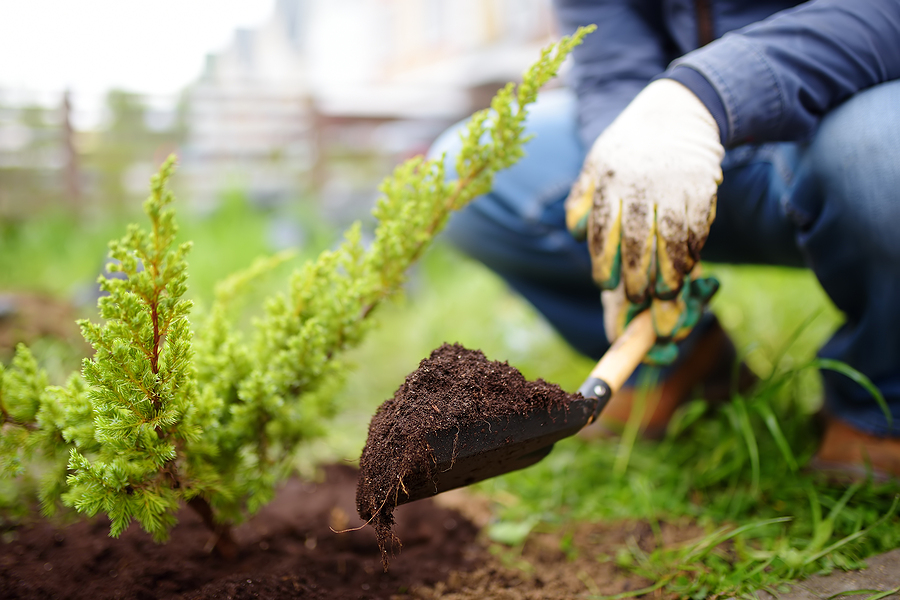
One of the best ways to prevent salt damage to your landscape is to choose plants tolerant of coastal conditions.
Native plants and salt-tolerant varieties have adapted over time to survive in climates where ocean winds and salt spray are common.
Some popular salt-tolerant landscaping options for homeowners in Kennebunk may include:
- Beach rose (Rosa rugosa)
- Bayberry
- Juniper
- Switchgrass
- Little bluestem
- Eastern red cedar
- Hydrangeas
- Daylilies
- Yarrow
Salt-tolerant plants typically require less maintenance and can weather coastal conditions better.
Your landscaper can advise you on specific plants that will perform best in full sun, shaded areas, or anywhere in between.
Create Windbreaks for Added Protection
Wind can also increase salt’s impact on your landscape. Not only does wind carry salt further inland, but being in the direct path of coastal winds can dry out plants faster.
Windbreaks can help filter some of these effects.
Windbreaks can include evergreen trees, rows of dense shrubs, decorative fencing, and even landscape berms.
A well-placed windbreak can help protect more sensitive plants from direct wind exposure and create less stressful outdoor living areas.
Ideally, you don’t want to trap airflow completely but rather lessen the intensity of the winds that reach your planting beds.
Pay Attention to Soil Conditions
Another reason coastal landscapes can differ from those farther inland is soil conditions.
Many coastal soils are sandy and drain quickly. Sand drains well but has trouble holding onto nutrients.
While we often think of drainage as a good thing, too much drainage can also lead to drought stress.
Help your soil retain moisture by adding organic matter.
This can include compost, organic soil amendments, mulch, or conditioned topsoil.
Soil helps plants develop stronger roots. When you have healthy soil, your plants can better withstand the effects of salt spray and weather stressors.
Test your soil regularly to identify any nutrient deficiencies or pH imbalances that need to be addressed.
Use Mulch Strategically
Mulch is another important tool for coastal landscapes.
A good layer of mulch helps your landscape hold onto moisture, regulate soil temperatures, and minimize weed growth. It can also help limit evaporation caused by coastal winds.
We typically recommend organic mulches like shredded bark, pine bark, or wood chips for trees, shrubs, and landscaped beds.
Some tips for mulching:
- Apply mulch 2-3 inches deep
- Keep mulch pulled away from stems and tree trunks
- Top dress mulch as needed
Mulching your trees and flowers is an easy way to give them a better chance at surviving in harsh coastal conditions.
Water Properly During Dry Spells
It would be easy to think that living by the ocean provides your landscape with all the moisture it needs. However, because coastal winds can dry out plants more quickly than you might expect, it’s important to water during periods of drought.
Newly installed landscapes, young trees and shrubs, flowers, and even lawns benefit from deep, consistent watering.
When you water properly, you help flush excess salt from the soil and encourage strong root development. Watering less frequently but more deeply is better than watering a little bit every day.
Protect Lawns from Salt Stress
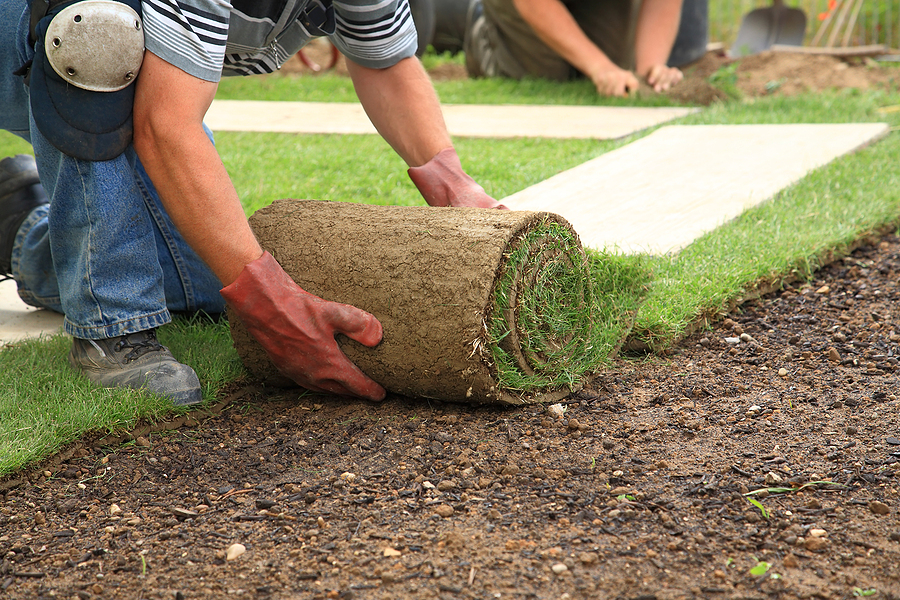
Salt can also impact your lawn. Coastal lawns are often prone to drying out faster, discolouration, or thinning in areas closest to the ocean.
One of the best ways to protect your lawn from salt stress is to choose grass varieties that better handle these conditions.
Best practices for lawn maintenance should include:
- Mowing your grass to the proper height
- Aerating when necessary
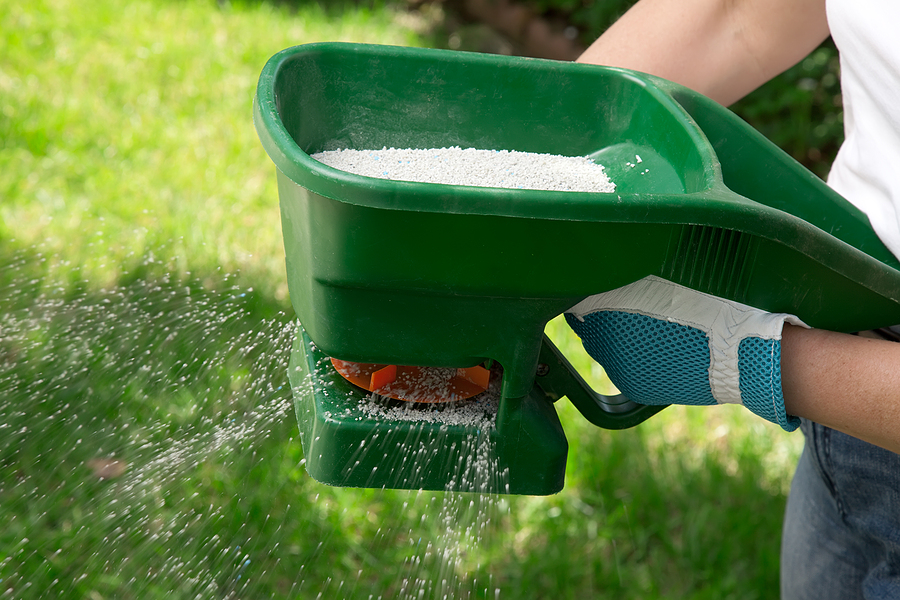
- Proper fertilization
- Consistent watering
- Overseeding thin patches of lawn
Avoid cutting your grass too short. Longer grass typically has deeper roots and can handle stress better.
If you aren’t sure what type of grass to choose or how to maintain a healthy lawn year-round, hire a professional lawn care service. They can spot potential problems before they become widespread.
Rinse Salt Deposits from Plants
Rinsing your plants with fresh water is another easy way to reduce the effects of salt spray.
After a coastal storm or a few particularly strong days of ocean winds, run a water hose on vulnerable plants to rinse away salt deposits.
Rinsing is most beneficial for:
- Broadleaf evergreens
- Ornamental shrubs
- Flowering plants
- Any other plants that are sensitive to salt
This will not prevent all salt damage to your landscape, but can help reduce the amount of salt that collects on foliage.
Understand Seasonal Coastal Challenges
Salt-air exposure doesn’t stop during the summer months.
Winter weather can create some of the harshest conditions for your coastal landscape. Combine salt with wind, freezing temperatures, and icy rain or snow, and you’ve got a recipe for disaster.
Wintertime protection may include:
- Adding mulch
- Watering before the ground freezes
- Wrapping bushes, trees, and shrubs
- Installing temporary wind barriers
When you understand the effects salt, wind, and Mother Nature can have on your landscape throughout the year, you can be prepared to give it a fighting chance.
Work with a Landscaper Familiar with Coastal Conditions
Not all plants are created equal. Just because a plant may thrive a few miles inland doesn’t mean it will do well yards away from ocean views.
There are many factors, such as wind patterns, elevation above sea level, soil conditions, and proximity to water, that affect how your plants will perform.
An experienced landscaper will understand these intricacies and offer alternatives and recommendations tailored to your property’s specific conditions.
From plant selection to irrigation design and year-round maintenance, your landscaper can help you navigate challenges of living near the coast.
Build a Landscape That Can Thrive by the Coast
Salt air shouldn’t discourage you from landscaping near the ocean. By following the right landscaping strategies and maintaining your landscape year-round, you can build a beautiful outdoor space that you’ll enjoy for years to come.
Use these Kennebunk landscaping tips when building a landscape that can withstand salt-air exposure. For professional landscaping services and tips specific to your coastal property, reach out to your local Kennebunk landscaping experts. We can help you build a landscape designed to thrive in salt air.
Protect Your Coastal Property with Help from One Mow Co.
Coastal landscapes require specialized care to withstand salt air, strong winds, and changing weather conditions throughout the year. Whether you need routine lawn maintenance, landscape enhancements, seasonal cleanups, or ongoing property care, One Mow Co. can help keep your outdoor spaces healthy, attractive, and thriving.
Contact One Mow Co. today to schedule a consultation and discover how our professional landscaping and lawn care services can help your Kennebunk property look its best in every season.