Wondering what the ideal mowing height is to maintain healthy grass? A height of near 3 inches is recommended for northern lawns because they generally contain cool-season grass species. Cutting too short can stress bunch-type grasses and reduce the benefits of deeper roots.
The University of Maine recommends that homeowners growing bunch-type species keep them at 3 inches or taller.
One Mow Co. shares advice from Cooperative Extension in Southern Maine that lists the following optimal heights by species:
- Kentucky bluegrass: 2½ to 3½ inches
- Perennial ryegrass: 2 to 3 inches
- Fine fescue: 2½ to 3½ inches
- Tall fescue: 3 to 4 inches
Northern lawns often contain more than one of these species. Mowing so that the grass remains around 3 to 3½ inches is typically a good compromise.
Does Taller Grass Develop Deeper Roots?
Healthy grass roots usually extend as deeply as the lawn is allowed to grow. Cutting turf too short can weaken roots just as it weakens top growth.
Maintaining taller grass can lead to deeper roots
That doesn’t mean homeowners should neglect the lawn or stop mowing periodically. Tall grass may slump over, stay damp longer, and become more difficult to cut cleanly.
Ideally, mowing should keep the lawn within a targeted height range. University of Minnesota Extension suggests increasing that height by about an inch during midsummer.
Can Mowing Higher Help Control Weeds?
Yes, keeping turf taller may increase its density and reduce weeds. A thick lawn shades the ground, keeping sunlight away from germinating seeds.
Mowing height won’t fix every condition that encourages weeds. Too-thin turf, compacted soil, heavy clay, or low fertility can all promote weed growth.
One Mow Co.’s lawn maintenance services address mowing along with edging, fertilizing, and seasonal cleanup. Our professionals assess the lawn’s overall condition to identify the causes of weed problems.
What Happens When Grass Is Cut Too Short?
Cutting grass too short can damage its appearance and health. Also known as scalping, the practice reduces leaf area and exposes stems, soil, and shallow roots.
These are some of the symptoms that a lawn has been cut too short:
- Grass appears pale or brown after cutting
- Soil shows between grass plants
- Increase in weeds
- Dries out more quickly in summer
- Roots become weak or stay near the surface
- More damage from pets and foot traffic
- Ruts and mower marks are more visible
Grass can also be scalped by lawn mowers. If the mower deck is level but the lawn contains hills and hollows, one set of wheels may drop into a divot. That can cause the blade to angle downward.
Cutting grass too short can also weaken lawns over time. Mowing regularly, without letting the grass grow too tall, encourages thicker turf.
Once thin patches form, weeds and weed grasses can take hold. They compete with healthy grass and create more work at One Mow Co.
What Is the One-Third Mowing Rule?
The one-third rule refers to removing no more than about one-third of the grass length in a single mowing. On a lawn maintained at 3 inches, this means cutting before the grass exceeds about 4 or 4½ inches.
If the grass is significantly overgrown, consider cutting it to about ½ inch above the desired height. Wait another week, then cut it again so it reaches the proper height.
Don’t cut grass by season; cut it based on growth. You may need to cut more often in spring or after rainy periods. During drought or heat, the grass may stop growing.
Should I Raise the Mower During Hot or Dry Weather?
Homeowners should raise the mower deck when the weather turns hot and dry. Taller grass shades the soil and helps retain moisture.
Cutting grass a little taller in summer can improve drought tolerance”: University of Minnesota Extension
If you usually keep your lawn at 3 inches, try cutting it to about 3½ or 4 inches during hot summers. The proper height will depend on your grass type and whether it is actively growing.
Just make sure the grass hasn’t gone dormant from lack of water. Walking on it or running the mower can damage drought-stressed grass and make recovery more difficult.
Should the Final Mowing of Fall Be Shorter?
Cutting the lawn slightly shorter for the final mowing of the season is fine. It should not be scalped, however, so an overnight snowstorm will not harm the grass.
When you mow for the final time in the fall, leave your grass about 2½ to 3 inches tall,” suggests the University of New Hampshire Extension. “Cutting grass too short weakens the grass and leaves less leaf surface to gather sunlight for photosynthesis.
Leaving grass too long can cause problems, too. It may slump over and remain matted under snow. That creates a damp environment ideal for snow mold and winter kill.
Always wait until the grass is approximately one-third taller than your normal setting before cutting it back down for winter.
Does Mower-Blade Sharpness Affect Grass Health?
Keep the mower blade sharp. Dull blades rip and shred grass instead of cutting it cleanly.
Dull blades also harm the lawn in less visible ways. They create jagged edges that hold and store water. Sharp blades remove more leaf material so the grass must recover.
Along with proper mowing height, a sharp mower blade keeps grass healthy and dense.
Sharpen blades regularly and check them when they run through sandy soil, sticks, stones, and other obstacles that can dull them quickly.
Should Grass Be Mowed When It Is Wet?
Avoid cutting grass when it is wet or damp. Wet clippings won’t stay upright, and heavy clumps may cover the lawn.
Mowing wet grass can also harm the soil. Heavy mower tires press deeply into wet earth and leave ruts that may not fully recover.
When possible, delay cutting the lawn until it dries. If you must mow while rain is still in the forecast, clean the mower deck regularly. Pick up or blow out clumps of grass clippings to prevent smothering patches of lawn.
Should Grass Clippings Be Left on the Lawn?
You don’t need to remove typical grass clippings unless they are long, wet, or odd-looking. They should easily filter down through the grass blades to the soil.
Grass clippings do not cause thatch problems”: University of Minnesota Extension
Diseased lawns or cuts that leave thick clumps may require collecting clippings to prevent lawn damage. Also remove leaves and twigs during fall cleanup.
How Should a New Lawn Be Mowed?
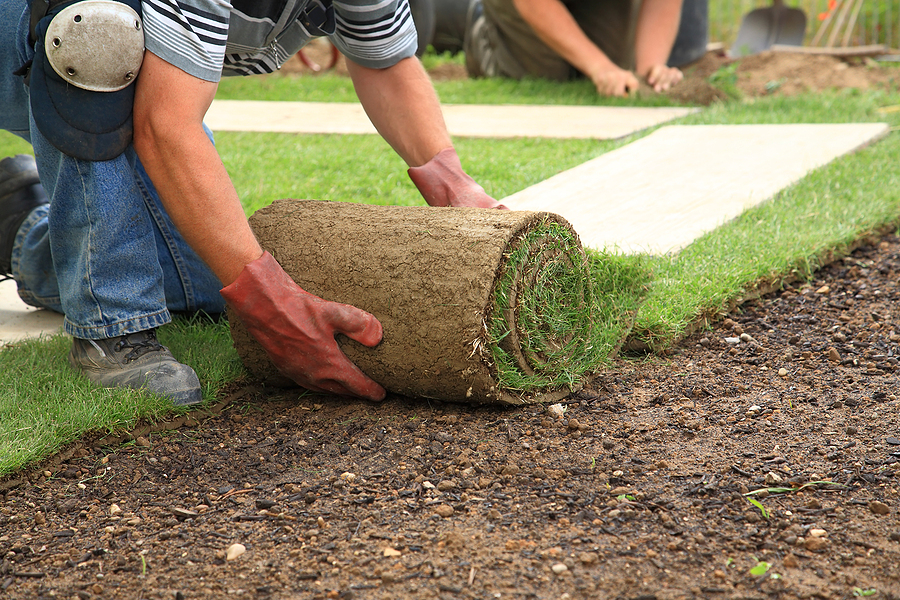
Begin by cutting new lawn turf when it reaches about one-third taller than your normal cutting height.
You should wait until the lawn grass reaches about one-third taller than your desired height before cutting it for the first time,” explains University of Minnesota Extension.
Check that the ground is firm enough to support the mower’s weight without digging into the soil or ripping up sprigs. Use a sharp blade.
New lawns should be cut more often than you let an existing lawn grow. Cut again when it becomes about one-third taller than the current grass.
Don’t worry if it seems like cutting every week or less. It will help train the grass to grow thicker as it fills in.
What Is the Ideal Mowing Height for Healthy Grass?
Ideal lawn height varies slightly by species and season. For most northern lawns, 3 to 3½ inches is a good general guideline.
Try raising the mower deck during hot, dry periods to encourage deeper roots. Lowering it slightly for the final fall cut will not hurt the grass.
One Mow Co.’s lawn mowing services maintain healthy turf at the optimal height for your lawn. Our cutting schedules are designed to improve grass health while keeping your lawn looking great.
Need dependable lawn mowing in York County? Contact One Mow Co. today to learn how our lawn-care programs can help you get the best from your grass.