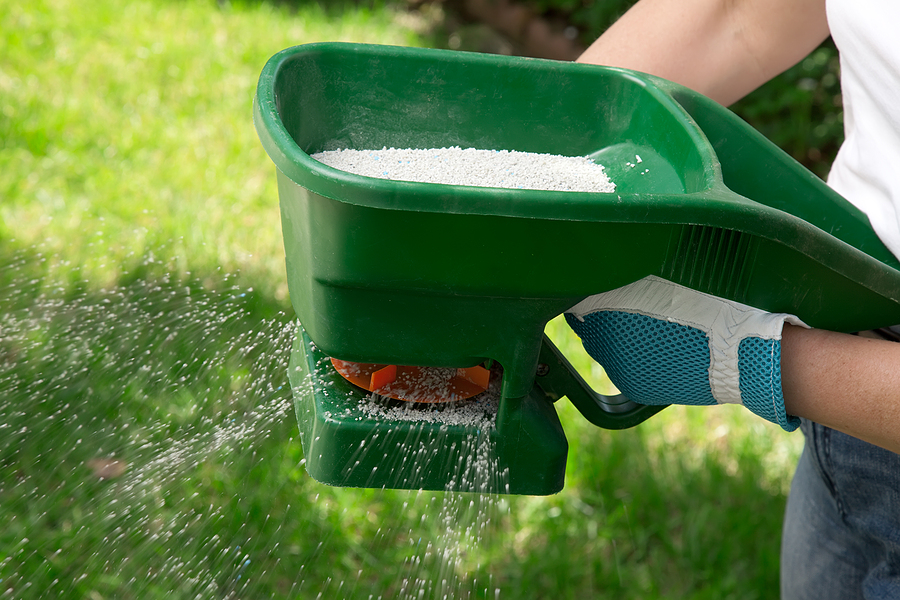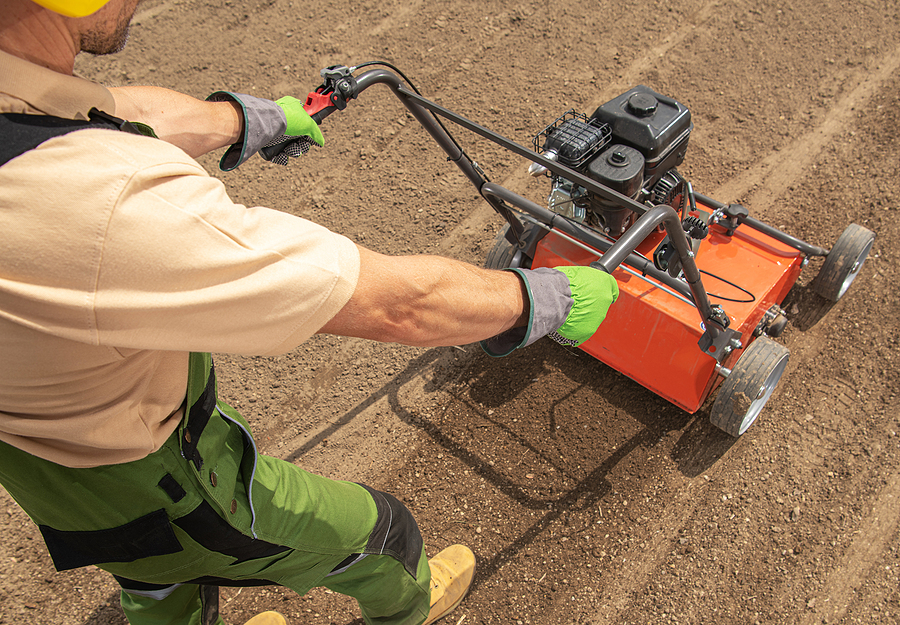
One question we hear a lot is: How soon after aeration can I apply fertilizer and seed?” Well… the answer is pretty simple. You can apply fertilizer and seed right after your lawn has been aerated. In fact, it’s best to overseed and fertilize the same day. Lawn plugs created by aeration allow grass seed to make contact with the soil beneath while also providing nutrients access to the root zone.
Wondering why aeration is so helpful for your lawn? Keep reading to find out!
Why Is Aeration So Important for a Healthy Lawn?
If you’ve never had your lawn professionally aerated before, you might be wondering exactly what this process entails. Aeration helps alleviate compacted soil and creates open channels for air, water, and nutrients to penetrate the root zone. Regular foot traffic, mowing, and even rain can cause soil to compress over time. When this occurs, grass roots have a difficult time growing through the soil to absorb what they need to stay healthy.
By removing small cores of soil from your lawn, core aeration creates thousands of holes that allow water to absorb more easily, decrease runoff, and promote new root growth. Lawns that have been aerated typically have a better chance of withstanding drought, heat, and other factors.
Fertilizer will not penetrate nearly as far without aeration as it needs to feed your lawn. Seed will also have a difficult time germinating if your soil is overly compacted.
How Soon After Aeration Can I Apply Fertilizer and Seed?
Right away! As a matter of fact, waiting to fertilize and seed your lawn after it’s been aerated can actually reduce some of the benefits you’ll receive from aeration.
Freshly aerated lawns provide excellent seed-to-soil contact, which is vital for germination. Aerating your lawn also creates little pockets for grass seed to fall into. Once grass seed falls into these pockets, it has less chance of being blown away by wind, washed away by rain, or injured by foot traffic.
Fertilizer will also penetrate deep into the root zone after aerating rather than sitting on top of the soil. Lawns that are fertilized and seeded after aeration typically experience quicker establishment, denser growth, and an overall healthier appearance.
For those looking to fill in thin spots or revive an older lawn, combining aeration with seeding and fertilization is one of the most effective ways to do so.
Why Does Aeration Help Grass Seed Germinate?
Aeration can significantly increase the chances of grass seed germinating. Seed needs contact with the soil, along with water and warmth, to germinate. When seed lies on top of compacted soil, it’s susceptible to washing away with rain or irrigation, being blown away by wind, and being eaten by birds.
Not only does aerating your lawn provide better seed-to-soil contact, but it also creates an ideal environment for roots to grow. Aerating allows water to penetrate deeper into the soil, creating a more consistent environment for roots to develop. As roots start to grow, they will have an easier time pushing through loose soil rather than compacted soil.
This is why many lawn care professionals recommend overseeding your lawn the same day it’s aerated.
Should You Use a Starter Fertilizer?
Yes! When overseeding your lawn after aeration, it’s best to use a starter fertilizer. Starter fertilizers help feed young grass plants during their initial stages of development. Most starter fertilizers have a fertilizer formulation that encourages root growth. Since new grass depends on its roots for water and nutrients during its first few weeks, helping them develop helps ensure quicker germination.
Every lawn is different, though. Grass varieties, soil conditions, and existing nutrient levels are all factors to consider when determining which fertilizer is best for your lawn. Having your soil tested can not only let you know what your lawn needs but also prevent overfertilization.
How Should You Water After Aerating, Seeding, and Fertilizing?
Watering correctly is just as important as aerating, seeding, and fertilizing your lawn. You can have the best seed and fertilizer in the world, but if the soil dries out, nothing will grow.
You’ll want to make sure you keep the top layer of soil moist at all times. Water lightly and frequently during the beginning stages of germination. As your new grass begins to establish, you can gradually water less but longer in order to encourage a deeper root system. When roots grow deeper, you’ll develop a stronger and more drought-tolerant lawn.
Try not to let the top layer of soil dry out completely. Doing this can slow down germination and affect the overall look of your lawn.
Does Timing Matter Depending on the Type of Grass?
Yes! Not only does timing play a crucial role in overseeding your lawn, but it also depends on what kind of grass you have. Cool-season grasses react better to lawn aeration and seeding during the fall months. Warm-season grasses prefer to be aerated during late spring and early summer when the grass is actively growing.
It’s always best to aerate, fertilize, and overseed your lawn at the right time of the year. Giving your lawn enough time to establish before it’s exposed to extreme elements like hot temperatures or winter dormancy will ensure a healthier lawn overall.
What Mistakes Should Homeowners Avoid After Aeration?
There are a few mistakes homeowners make that can lessen the benefits of lawn aeration and overseeding.
- Not applying seed and fertilizer after your lawn has been aerated
- Letting the soil dry out while the seed is germinating
- Not choosing the right kind of grass seed for your region
- Applying too much fertilizer, which can burn young seedlings
- Allowing kids and pets on the lawn while the grass is trying to grow
Taking the necessary steps after your lawn has been aerated will help your lawn achieve maximum benefits.
When Will You Start Seeing Results?
This all depends on what kind of grass you have and the current condition of your lawn. Certain grass types can take up to three weeks to germinate. During this time, you should start to see…
- Grass seedlings within a few days to several weeks.
- A thicker lawn within a month.
- Stronger roots all season long.
- Noticeable differences as your lawn continues to fill in.
Just remember, don’t give up if you don’t see immediate results. It takes time for lawns to grow, but the rewards are worth the wait.
Trust One Mow Co. for Professional Aeration and Lawn Care Services
Knowing how soon after aeration I can apply fertilizer and seed is only one piece of the lawn care puzzle. Timing, product selection, watering, and proper maintenance all play a key role in helping your lawn reach its full potential.
If your lawn could use some help filling in or you want your lawn to look the best in the neighborhood, look no further than One Mow Co. Our lawn care experts can provide you with the services your lawn needs most. Whether it’s lawn aeration and overseeding or fertilization and regular lawn maintenance, they’ve got you covered.
Contact One Mow Co. today to set up your lawn consultation and learn how professional lawn care can give you the lawn you’ve always dreamed of.