If you’ve started comparing lawn aerators, you’ve probably noticed that the word “aerator” covers quite a few different tools. Some have spikes. Others pull plugs from the ground. There are small tools you operate by hand and heavy machines that look like they belong at a rental shop. What features should you look for in a lawn aerator?
Start with what it actually does to the soil. Then consider whether you can comfortably use it around your yard. A machine that works well on an open lawn may be awkward beside flower beds or behind a narrow gate.
Size matters. But bigger isn’t automatically better.
Look for Hollow Tines That Remove Soil
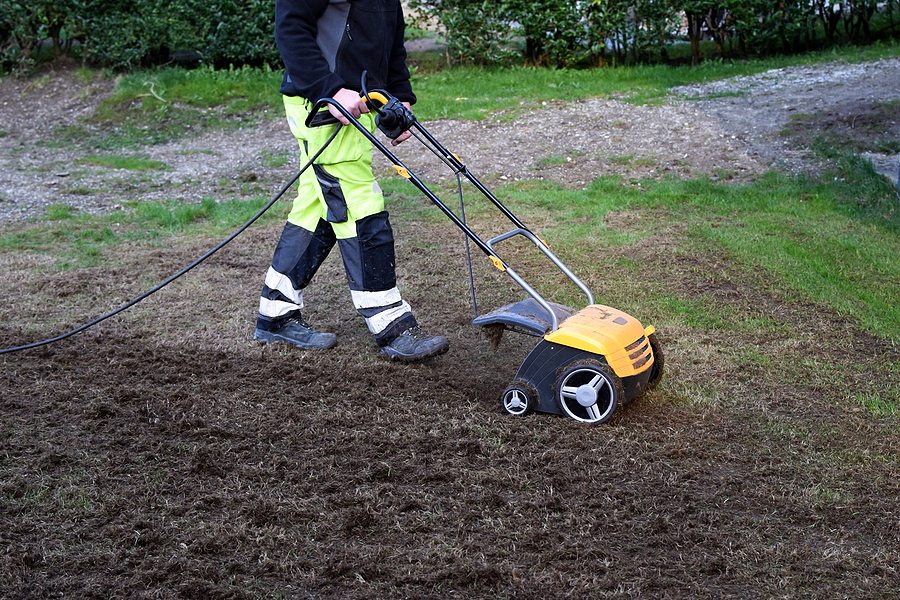
For a compacted home lawn, a core aerator is usually the type to look for. Its hollow tines remove small plugs of soil, leaving openings in the ground.
A spike tool works differently. It pushes into the soil without removing a core. Although it leaves holes, it doesn’t provide the same soil removal that makes core aeration useful for relieving compaction.
Check the underside of the equipment or ask to see the tines before renting or buying. You want hollow openings that can pull soil out, rather than solid points that simply poke through the surface.
And don’t judge the results by how tidy the lawn looks afterward. Those little plugs scattered across the grass are an expected part of core aeration.
Check the Working Depth
An aerator needs to reach into the soil. A machine that barely scratches the surface won’t accomplish much, even if you spend the afternoon walking behind it.
Look at the stated working depth and ask how the machine adjusts. Some models allow added weight, while others use a powered tine system. Follow the manufacturer’s limits rather than loading extra weight onto the machine yourself.
The advertised maximum depth isn’t a promise, either. Actual penetration depends on the equipment and the ground beneath it.
Dry, hard soil can be difficult to penetrate. Saturated soil creates a different problem and shouldn’t be worked just because the tines enter easily. Aim for moist soil that allows the machine to pull useful cores without leaving the yard churned up.
Pay Attention to Tine Spacing
Working width tells you how wide a path the machine covers. It doesn’t tell you how thoroughly it aerates that path.
Look at how the tines are arranged and how far apart they leave holes. Widely spaced holes may mean you need additional passes to treat the area adequately.
That affects your time.
If you’re renting, ask the shop what coverage to expect from that particular machine. You may need to go over the lawn in more than one direction, depending on the hole pattern and how much aeration the ground needs.
A wide machine can still leave relatively few holes. The tine arrangement deserves as much attention as the width printed on the specification sheet.
Turning Ease Matters
How is your yard laid out? Will you be navigating around trees, turning near a driveway or trying to reach grass around garden or flower beds?
Some aerators are much easier to maneuver than others. Ask whether the tines must be raised before turning and have the rental staff demonstrate the controls so you know how to use them. You don’t want your first lesson to happen halfway around a shrub and not be able to turn efficiently.
Self-propulsion can reduce pushing effort, but the machine may still be heavy and difficult to maneuver. Check the handle position and whether the operating speed feels manageable.
Measure the gate, too. It’s an easy detail to overlook when you’re comparing engines and tine depth.
Match the Machine to the Property’s Needs
A manual core aerator may be enough for a small trouble spot. If the soil near the back steps is compacted but the rest of the lawn is doing well, a hand tool could handle the work with ease.
An entire yard is another matter and you’re probably going to need something bigger and with more power to tackle the job.
A powered walk-behind machine is worth considering when there’s more ground to cover. Tow-behind core aerators can suit larger, open lawns, provided you have compatible towing equipment and enough room to maneuver.
Slopes need special attention. Check the equipment’s operating limits before renting or purchasing, and don’t assume an aerator can safely go everywhere your mower goes.
Think About Maintenance and Storage
If you’re buying, check whether replacement tines are available and how easily they can be serviced. Tines wear, and soil can collect inside them. Accessible parts make cleaning and maintenance less frustrating.
For a rental, inspect the tines before leaving the shop. Bent or badly worn parts won’t improve once you get home.
Also consider transport. Ask about the machine’s weight and the loading equipment needed. Renting an aerator is less convenient if you have no practical way to bring it home.
You may not need to own one. Maine lawns are often aerated in late summer or early fall, and the need for repeat treatment depends on soil conditions and use.
Choose for the Lawn You Have
When deciding what features to look for in a lawn aerator, focus on effective core removal and equipment you can handle. Before starting, identify irrigation heads, shallow lines, and other obstacles that the tines could damage.
For help with regular mowing and landscape maintenance in the Kennebunk area, contact One Mow Co. Consistent care makes it easier to spot changes in your lawn and decide where extra attention is needed.