Fall can sneak up quickly in Maine. One week the afternoons still feel like summer, and a couple of weeks later you are watching leaves pile up and wondering whether you missed your chance to improve the lawn.
If you have bare spots or thin grass, the question becomes: how late can I overseed in the fall for cool-season grass? Ideally, cool-season grass should be overseeded several weeks before the first hard frost so the seed has enough time to germinate and establish roots.
In Southern Maine, late August through September is generally the most dependable window. Overseeding can sometimes succeed later, but every week you wait increases the chance that cold soil and freezing temperatures will interrupt establishment.
Timing matters more than simply getting seed onto the ground.
Why Is Fall Such a Good Time to Overseed?
Cool-season grasses like the same weather many people do. Warm enough during the day. Cool at night. Plenty of moisture. No brutal summer heat.
That combination makes late summer and early fall an excellent time for germination and root development. The soil is still holding warmth from summer, while cooler air temperatures reduce stress on young grass.
There is another advantage: many aggressive summer weeds are beginning to slow down. That gives newly germinated grass a little less competition for space, water, and nutrients.
By overseeding at the right time, you are essentially giving new grass several favorable weeks to establish itself before winter arrives.
What Is the Best Overseeding Window in Maine?
For most Southern Maine lawns, late August through September is the sweet spot.
That does not mean September 30 suddenly turns into a hard deadline. Weather does not follow the calendar that neatly.
A warm fall can stretch the season. An unusually early cold snap can shorten it. What matters is how much growing time remains after the seed goes down.
Ideally, you want several weeks of active growth before hard freezes become routine. The new seedlings need time not only to emerge but also to develop enough roots to handle changing temperatures.
This is why September overseeding tends to be much more predictable than waiting until late October.
Why Does the Type of Grass Seed Matter?
Not every cool-season grass germinates at the same speed.
Perennial ryegrass is usually one of the quicker grasses to emerge. Under favorable conditions, you may see germination in roughly a week. Fescues generally take somewhat longer.
Kentucky bluegrass can be the slow one in the group. It may take two or three weeks just to germinate, and then it still needs additional time to become established. That becomes very important when you are overseeding late.
If you put down a slower-germinating seed only a short time before freezing weather, the calendar is already working against you.
A seed mixture may contain several grasses, so do not assume the first green shoots mean everything in the mix has successfully established.
Some varieties may still be several days or weeks behind.
Is October Too Late to Overseed?
Not automatically. Early October can still work in parts of Southern Maine, particularly during a warmer fall. But it is noticeably more of a gamble than September.
The later you go, the fewer opportunities seedlings have to develop before cold weather slows growth.
There is also a practical issue.
Even if daytime temperatures seem pleasant, soil temperature is gradually falling. Grass seed responds to the conditions in the soil, not whether you happen to be comfortable wearing a sweatshirt outside.
Cooler soil means slower germination.
A seed that might emerge quickly in early September could take considerably longer several weeks later.
That delay can be the difference between a young lawn that enters winter reasonably established and seedlings that barely emerge before growth shuts down.
What Happens if You Overseed Too Late?
Several things are possible. The seed may germinate and then struggle because the plants are too young when freezing weather arrives.
Some seed may begin germinating unevenly, leaving you with patchy results. And some seed may simply sit there.
That does not always mean it is wasted. Seed that remains dormant may survive until conditions improve, but relying on that outcome is much less predictable than overseeding during the proper season.
The bigger problem is often expectations.
A homeowner sees a mild weekend in late October, puts down seed, waters faithfully for ten days, and wonders why the lawn is not filling in.
The calendar has simply run out of useful growing weather.
Should You Overseed Right Before the First Frost?
It is usually better not to plan your fall overseeding that tightly. The first light frost is not necessarily the end of grass growth. Established cool-season turf can continue growing during chilly weather.
New seedlings are more vulnerable.
Instead of asking whether seed can survive one particular frost, think about whether the grass will have enough time to become established before repeated freezing temperatures arrive.
That gives you a much better way to judge timing.
The goal is not merely germination. The goal is establishment.
Is Late Overseeding Better Than Waiting Until Spring?
This depends on just how late you are. If you are still within a reasonable fall establishment window, getting the work done can be worthwhile.
If winter weather is right around the corner, waiting may make more sense than forcing a conventional overseeding job into poor conditions.
Spring seeding can work, but it has its own challenges. Young grass has less time to develop deep roots before summer heat arrives. Spring weeds also compete aggressively with seedlings.
That is one reason fall remains the preferred season for many cool-season lawn renovations.
If you miss the ideal window, however, it is better to make a deliberate plan than throw seed down simply because you already bought the bag.
Does Aeration Help Overseeding Work Better?
It certainly can.
Seed needs contact with soil.
If you scatter grass seed over a thick, compacted lawn and much of it remains sitting on top of existing grass or thatch, germination can be disappointing.
Core aeration removes small plugs from the lawn and opens the soil surface. It also helps reduce compaction, which can improve the environment for existing grass roots.
When overseeding follows aeration, seed has more opportunities to settle into areas where it can contact soil and receive moisture.
This is why One Mow Co. combines aeration and overseeding as part of its lawn-care services in Southern Maine.
The two treatments complement each other.
Aeration prepares the lawn.
Overseeding helps fill it back in.
How Much Water Does New Grass Seed Need?
Enough to stay consistently moist without turning the lawn into mud.
This can mean light watering more frequently while seed is germinating.
The upper layer of soil should not repeatedly dry out during this stage. Once seedlings are growing, watering can gradually become deeper and less frequent as roots develop.
Fall usually makes this easier than summer because cooler temperatures reduce evaporation.
Still, do not assume autumn rain will handle everything. A stretch of dry, breezy weather can dry the seedbed surprisingly quickly.
Take a look at it. If the surface is becoming dry, the seed probably needs water.
Should You Mow After Overseeding?
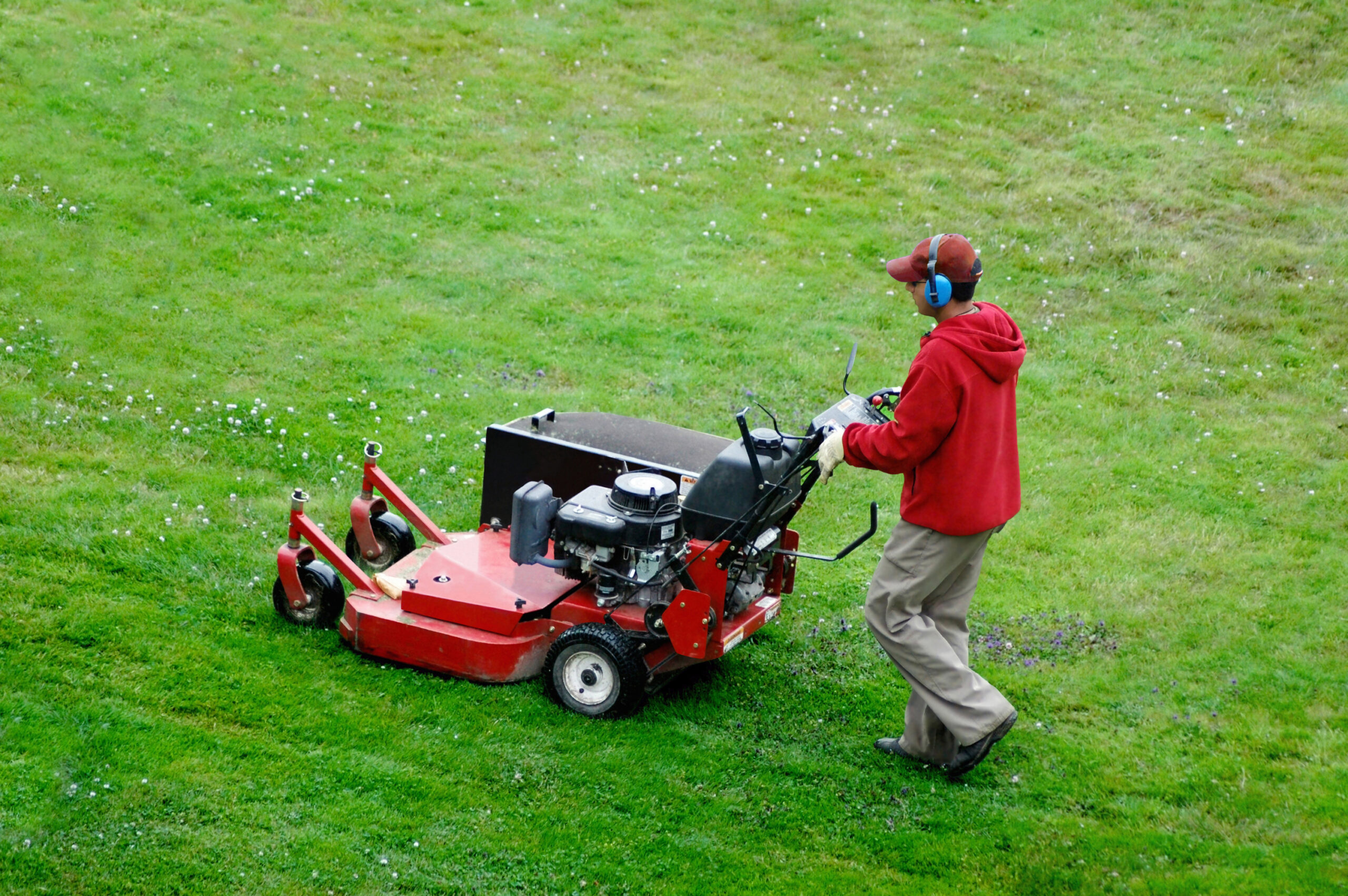
Yes, eventually. You do not need to abandon the lawnmower until spring.
Allow the new grass to become established enough to tolerate mowing, then use a sharp mower blade and avoid cutting excessively short.
Existing grass should also continue to be maintained.
Letting old turf grow extremely tall because you are afraid of disturbing seedlings can create its own problems by shading the new grass.
Be gentle, but keep the lawn managed.
What if Your Lawn Has Large Bare Areas?
That starts moving beyond simple overseeding.
Overseeding works especially well when a lawn is thin but still has a reasonable amount of existing turf.
If large sections are completely bare, there may be an underlying reason.
Compacted soil, poor drainage, shade, insect damage, disease, pet traffic, or poor soil conditions can all prevent grass from thriving.
Putting more seed onto a location where grass repeatedly fails may simply produce the same result again.
Figure out why the area became bare. Then fix what you can before reseeding it.
How Late Can I Overseed in the Fall for Cool-Season Grass?
So, how late can I overseed in the fall for cool-season grass? In Southern Maine, late August through September generally gives you the best odds of strong germination and establishment. Early October may still work when temperatures cooperate, especially with faster-germinating grass varieties, but the risk increases as the month progresses.
Do not judge the timing solely by whether the weather still feels pleasant.
Consider soil temperature, grass type, germination time, and how many weeks remain for seedlings to develop before winter conditions settle in.
And if your lawn is compacted or struggling to fill in, overseeding may be much more effective when it is paired with core aeration.
One Mow Co. provides aeration and overseeding along with professional lawn mowing and landscape maintenance throughout Kennebunk, Kennebunkport, Wells, York, Biddeford Pool, and surrounding Southern Maine communities.
If your lawn is looking thin heading into fall, contact One Mow Co. to determine whether there is still enough time to aerate and overseed or whether waiting for the next appropriate growing window would give you better results.