Is an automatic irrigation system worth the cost for a small yard? You betcha. Unless the budget is low or the project will be temporarily DIY’d until moving day. An irrigation system can make sense when your lawn has new seed, landscaping you don’t want to risk, uneven rainfall, or homeowners who can’t reliably hand-water.
That said, a permanent in-ground system isn’t necessarily something very small, established northern lawns require.
Like most landscaping questions, the answer depends on your property. How big is it? Do you have beds, sprinkler coverage areas, or other factors that make hand-watering difficult or cumbersome? What will you be watering? How strong is your water source? And how much do you value convenience?
Automatic systems can save time and improve watering consistency, but not every lawn needs that level of detail. Something as simple as a timer, hose attachment, or small drip system might be a better value.
What Does an Automatic Irrigation System Include?
Automatic systems have several parts, but every setup centers on a controller. The controller opens and closes the water valves on a programmed schedule. Some systems also include underground piping, valves, lawn sprinklers, drip lines, rain sensors, soil- moisture sensors, and multiple watering zones.
The biggest decision about a controller is usually between programmable “dumb” models and Wi-Fi-connected smart controllers. “Smart” doesn’t necessarily mean the system will think for itself, but it can adjust automatically based on the latest weather conditions.
One Mow Co.’s irrigation system management services cover everything from initial system design and installation to ongoing monitoring, seasonal adjustments, and preventative maintenance. Your system should apply water evenly and shouldn’t need to spray your driveway, sidewalk, house, or other areas multiple times per week.
Is a Sprinkler System Too Expensive for a Small Lawn?
A full DIY sprinkler system installation isn’t cheap. That can make it tough to justify if your yard is very small, laid out in a simple rectangle, and easily reached by hand with a hose or portable sprinkler.
Even a “small” system costs money to design and install. There’s a controller, valves, piping to connect them, sprinkler heads (or drip lines), hardware to attach everything together, labor, and annual maintenance.
Small square footage doesn’t always equal simple installation. Just because your property is small doesn’t mean it doesn’t have unique challenges. A small property might have lots of narrow lawn strips, planting beds, tree islands, walkways, sunny areas, shaded areas, etc. That variety of landscaping might need to be watered at different rates.
For this reason, the total number of zones and layout complexity can affect project cost more than overall lawn size. If your small property has several distinct areas that need separate watering schedules or tools, it might cost more to design an adequate sprinkler system than a larger open lawn.
To get an accurate idea of installation costs, ask a designer to come to your property and provide a site-specific quote. Don’t rely on estimates based on cost per square foot. Understand what hardware will be installed, how it will be broken into zones/schedules, and how much maintenance you can expect to pay yearly.
When Is Automatic Irrigation Worth It for a Small Yard?
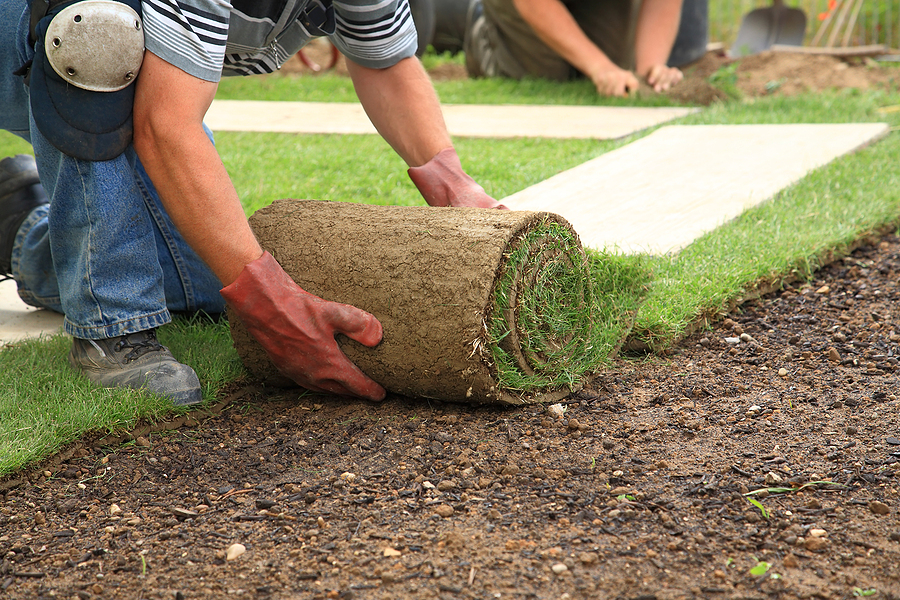
Automatic irrigation really shines when it’s hard to deliver consistent moisture to the lawn and landscape. It’s especially helpful when you’re watering new seed or sod, dealing with a dry spell, on vacation, or going through a time crunch.
Think about watering your lawn and whether automation would:
- Allow you to more closely follow best practices
- Help you stick to a schedule
- Provide peace of mind when you can’t water manually
If you answered “yes” to any of the above, an irrigation system might be worth the cost.
- You just laid new seed or sod that needs even moisture
- You have several planting beds with unique watering requirements
- You spend a lot of time traveling
- You hate wrestling the hose around your landscaping
- Hand-watering leaves parts of the lawn dry and other parts saturated
- You have sandy soil that drains quickly
- You value having a consistently green lawn
Don’t forget that newly seeded grass typically needs more frequent watering than established turf. According to the University of Maine Cooperative Extension, keep the top few inches of soil moist during germination then slowly increase how deeply you water while reducing frequency as the grass establishes.
Automatic sprinklers let you follow a detailed schedule without changing your daily routine.
Do Established Northern Lawns Need Regular Irrigation?
No established lawn NEEDS regular irrigation if your average season is fairly mild. Northern turfgrass can often take a hiatus from watering and return to life when temperatures drop and rain returns. Many cool-season grasses will slow their growth or go dormant during hot, dry weather.
According to UNH Extension, established lawns usually do not need regular watering. Of course, there are exceptions for drought and new seed germination. Frequent irrigation can keep your lawn wetter for longer, promoting diseases that thrive in moist environments.
Ultimately, the homeowner has to decide whether they want to let their lawn turn brown during a dry spell or keep it artificially green. A lawn that needs to look good all summer long will likely require more consistent watering than one that can turn brown or dormant until fall.
Installing automation doesn’t mean you’ll run the system every day. In fact, you shouldn’t. Automatic controllers just make it easier to apply water when your lawn actually needs it.
Can Automatic Irrigation Save Water?
If installed and used properly, yes. Automatically timed sprinklers can distribute water precisely to designated zones. An old timer tied to a broken spray nozzle could waste more water than careful hand-watering.
EPA WaterSense estimates that homeowners waste a lot of outdoor water by overwatering and using inefficient irrigation techniques. WaterSense labeled controllers are designed to adjust how much water is applied to the landscape. Rather than using the same schedule 365 days a year regardless of rain events.
Weather-based controllers can skip watering cycles after rain and adjust run times as temperatures change throughout the season. EPA estimates that switching from a regular clock timer to a WaterSense labeled weather-based controller can save the average household close to 7,600 gallons per year. Results will vary greatly by geography, landscape size, and current watering habits.
On a small property, you may never recoup the installation cost through savings. Short-term benefits include convenience, even coverage, and the peace of mind that you won’t accidentally leave your sprinklers on.
Is Drip Irrigation Better for Small Landscaped Yards?
For beds, foundation plants, shrubs, gardens, and other non-turf landscaping, drip irrigation is often the best option. Drip irrigation water enters close to the root zone and wastes little moisture on pavement or hardscape.
A small yard almost never needs drip irrigation for the turf grass. However, if you have planting beds in addition to the lawn, you might benefit from a combination design. Put simply, you don’t want grass and shrubs on the same watering schedule.
Separate zones are important because each type of landscaping has different water needs. Trees and shrubs often benefit from deeper, less frequent watering. New sod or seed may require daily light watering.
What Maintenance Does an Irrigation System Need?
Watering systems need regular inspection, occasional adjustments, repairs, and annual preparation for cold weather. Heads can become damaged, tilted, clogged, or covered by overgrown landscaping. Underground pipes and valves can leak.
Rainfall, temperatures, and watering needs change as the seasons pass. Do not water new seed the same way you irrigate an established lawn.
Snow and freezing temperatures damage unprotected irrigation systems. To prepare for winter, water left inside of valves and underground should drain out, not freeze and explode your system. Systems require annual shutdown, winterization, and spring start-up.
One Mow Co. includes system monitoring, seasonal adjustment, and leak detection with our irrigation system management services. Just like your lawn needs annual pruning and fertilization, irrigation systems benefit from ongoing maintenance.
What Are Less Expensive Alternatives for a Small Yard?
A permanent underground sprinkler system isn’t the only way to automate irrigation. Many small yards don’t need anything more complicated than a hose timer, portable sprinkler, drip irrigation kit, or above-ground system.
Basic timers only turn the water on and off automatically. You still need to adjust the timer manually if it rains. A nicer hose-end sprinkler controller may offer multiple schedules and rain-delay features without requiring trenching.
Portable systems are typically much less expensive than installing permanent sprinklers. The tradeoff is unsightly hoses, longer setup, less precise coverage, and sprinkler heads that may interfere with mowing.
What option is best for you? That depends on what you expect from the system. Someone watering the lawn during establishment will have different needs than someone watering the lawn, gardens, shrubs, flower beds, and seasonal landscaping every summer.
Will an Irrigation System Improve Lawn Health?
As long as you’re watering correctly, yes. An irrigation system can improve lawn health by making it easier to apply the right amount of water at just the right time. Automatic sprinklers won’t fix clay soil, improve drainage, address excessive shade, change your grass variety, or alter your cutting pattern.
Many homeowners make the mistake of watering too frequently. Frequent, shallow watering keeps roots near the surface. Longer, less frequent watering encourages deeper root growth in established turf.
One Mow Co.’s regular lawn care includes irrigation management. When you hire us to mow your lawn, we’ll examine the overall health of your property and make recommendations. If your lawn is brown from drought, we can tell you it doesn’t just need more irrigation.
Is an Automatic Irrigation System Worth the Cost for a Small Yard?
Is an automatic irrigation system worth the cost for a small yard? If watering constantly is a challenge and you value convenience, automatic irrigation may be worth every penny. A very small or low-maintenance lawn could benefit from as little as a hose timer or portable sprinkler.
Don’t guess what might work for your lawn. Contact One Mow Co. to request a free consultation, and we’ll come to you to assess the situation. We’ll analyze your York County landscape and design a system with the lawn’s size, watering needs, and maintenance expectations in mind.