Homeowners in northern climates should still mow, clear excess leaves, aerate compacted lawns, overseed thin spots, fertilize if needed, and water any new grass seed. The goal during fall lawn care is to prepare cool-season turf for winter and allow the roots to recover from summer damage.
Fall is one of the best times to work on your lawn in Maine. The air cools, eliminating the stress of summer heat. Soil temperature stays warm enough in fall for roots to continue developing and newly applied grass seed to germinate.
That being said, not every lawn needs every service during the fall season. Property conditions and weather patterns determine which tasks are actually needed. Soil compaction, grass density, weeds, moisture levels, shade, and summer use all impact your lawn care plan.
Should I Continue Mowing My Lawn in the Fall?
Yes! Many homeowners mistakenly think they should stop cutting their grass just because it’s fall. If the turf is still actively growing, keep cutting it to the proper height. You’ll be glad you did when you see your neighbor’s too-long lawn emerging from winter.
Don’t just guess when to stop. Cool-season grass can continue growing after summer heat breaks. Experts from Iowa State University Extension recommend cutting grass until it stops growing rather than ending the mowing season on an arbitrary date.
Leave enough height so you aren’t removing more than approximately one-third of the grass blade at a time. Removing too much can stress out your lawn and rob it of the leaf area it needs to produce food.
The last mowing of the season should leave the turf looking neat. Avoid cutting grass too short or “scalping” the lawn. Leaving the grass too long can cause it to bend over and trap moisture.
Do I Need to Remove Every Leaf From the Lawn?
Raking every leaf is not required, but you shouldn’t let your grass be completely buried in wet leaves either. Smothering sections of turf under a heavy layer of leaves blocks sunlight. It also limits airflow, traps moisture, and creates an inviting habitat for fungi and disease.
If the leaves are dry and only lightly covering the lawn, run them over with a mulching mower. When there are too many leaves to quickly decompose, it’s time to bag them up or hire someone to remove them.
One Mow Co.’s seasonal clean-up services will clear leaves from your lawn, flower beds, hardscapes, and remove branches and other debris that tend to accumulate in fall.
Don’t wait for every tree to drop its leaves if your lawn is already under siege. Removing several small layers throughout the season is often easier on grass than letting leaves sit for weeks.
Should I Aerate the Lawn Every Fall?
Core aeration is not necessary for every lawn every year. Lawns need aeration most when soil is compacted, water won’t absorb easily, the turf experiences heavy use, or a thatch layer measures more than a half-inch.
Core aeration involves removing plugs of soil and grass. Doing so improves water penetration and reduces soil compaction. It also opens up areas where air and nutrients can reach the roots below.
Early fall is an ideal time to aerate because cool-season grass grows actively during this time. It can recover from aeration before winter arrives.
One Mow Co. provides professional aeration and overseeding services for Maine properties. Although soil and air temps differ throughout the state, early fall typically offers ideal warmth and cooling temperatures for post-treatment recovery and seed establishment.
Is Fall the Best Time to Overseed a Northern Lawn?
Yes! Overseeding during the fall is usually ideal for northern lawns. Soil temperatures stay warm while air temperatures cool. New grass doesn’t have to worry about summer heat damaging its earliest growth stage either.
It can take several weeks for overseeded turf to fully take root. During that time, fill-ins help improve turf density and reduce open soil. But seed needs to contact the soil to germinate.
Core aeration creates open holes where seed can fall and contact the soil. Per UNH Extension, prepare the seedbed properly and keep it consistently moist until germination and establishment are complete.
If you plant too late, newly sprouted grass may not have enough time to take root before the soil freezes. Seed wisely. Sunny spots have different requirements than shade. Sand-based soils found near the coast need different grass than heavier-clay soils.
Should I Fertilize My Lawn Before Winter?
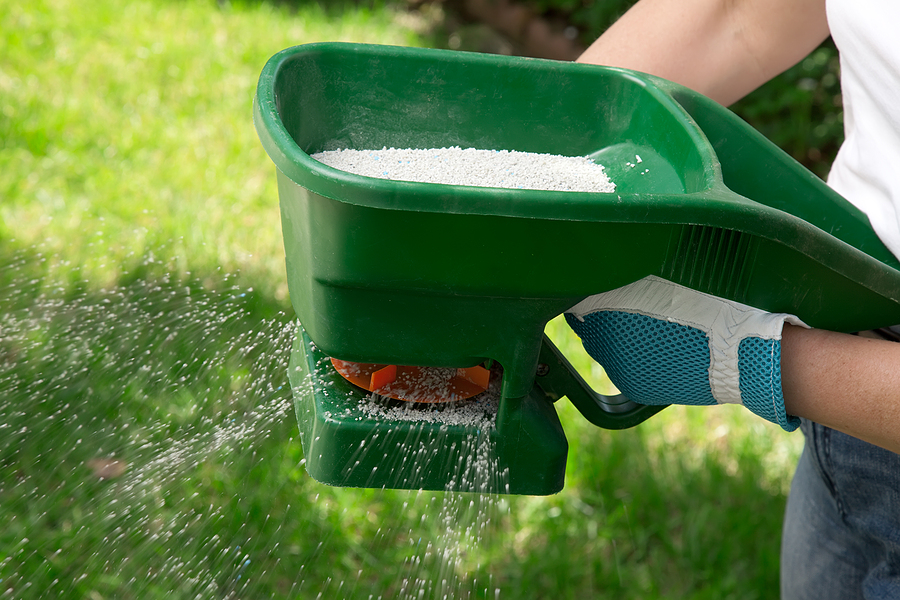
Applying fertilizer in fall can benefit cool-season turf. But don’t just pick up any fertilizer off the shelf and spread it everywhere. Your lawn shouldn’t be fed blindly. The lawn itself should determine fertilizer needs.
A soil test will reveal any major nutrient deficiencies. This is especially helpful if your lawn consistently has issues with color, growth, or density no matter what you do.
Nitrogen encourages growth and root development during the fall. Phosphorus and potassium aren’t always necessary unless your lawn needs a boost from soil testing or you’re applying seed.
Experts from UNH Extension recommend testing your soil before deciding which nutrients to apply. Use that info to adjust soil pH if needed.
Don’t overthink fertilizer programs either. Many homeowners think more fertilizer will give them a better lawn. Using too much encourages unnecessary growth. You’ll waste money and nutrients will leach past the root zone.
One Mow Co.’s lawn fertilization and weed-control services are designed around your lawn’s current condition, health, and what it needs to thrive during the changing season.
Do I Need to Water the Lawn During Fall?
Yes! While lawns require less water as we head into fall and winter, watering may still be necessary. Just because summer has passed doesn’t mean you can turn off the sprinklers and forget about lawn irrigation until spring.
Seedlings are more susceptible than established turf, so water any new grass until it’s rooted. Once the grass begins to germinate, you can water deeper and less often.
Don’t drown your lawn. Too much water can wash seeds out of the soil. It can also promote disease by creating overly soggy conditions. Think moist, not wet.
Your lawn may not need as much supplemental watering if rainfall is adequate. Check the weather forecast rather than stopping irrigation just because fall has arrived.
Should I Dethatch the Lawn in the Fall?
If thatch is less than half an inch thick, dethatching is not normally necessary. Thatch is the layer of stems, roots, and organic matter between the green grass and the soil beneath it.
A little bit of thatch is normal. Think of thatch like a protective blanket for your soil. Dethatching could harm healthy turf if done when it’s not needed.
If your thatch layer is over a half-inch thick, consider dethatching. UNH Extension suggests doing this when the layer is over approximately one inch thick. Lawn cores can help with compacted lawns that have less severe thatch buildup.
Take a close look at your lawn before you rent a dethatching machine. Grass clippings on top of the lawn are clippings, not thatch. Casual lawn clippings usually don’t contribute to a problem because they decompose on their own.
Should I Treat Weeds During the Fall?
You can use fall to control certain weeds. Many perennial broadleaf weeds are actively growing in fall and preparing for winter by storing excess energy in their roots.
Just because you can treat weeds in fall doesn’t mean you should apply chemicals everywhere without a plan. Know the weeds you’re dealing with, match the herbicide to the grass type, and always check the weather and product label before applying.
A dense lawn can help keep weeds at bay over time. Overseeding bare spots and alleviating soil compaction can give weeds fewer places to take hold.
Some herbicides can kill grass if applied incorrectly. This is especially important with newly seeded lawns. Read the full product label before applying any chemicals. Allow the required wait periods after seeding, if needed.
What Should I Do About Bare or Damaged Areas?
Investigate the cause of dead spots before seeding. Pet traffic, excess shade, poor drainage, soil type, insects, disease, and construction are just some of the reasons your lawn has bald spots.
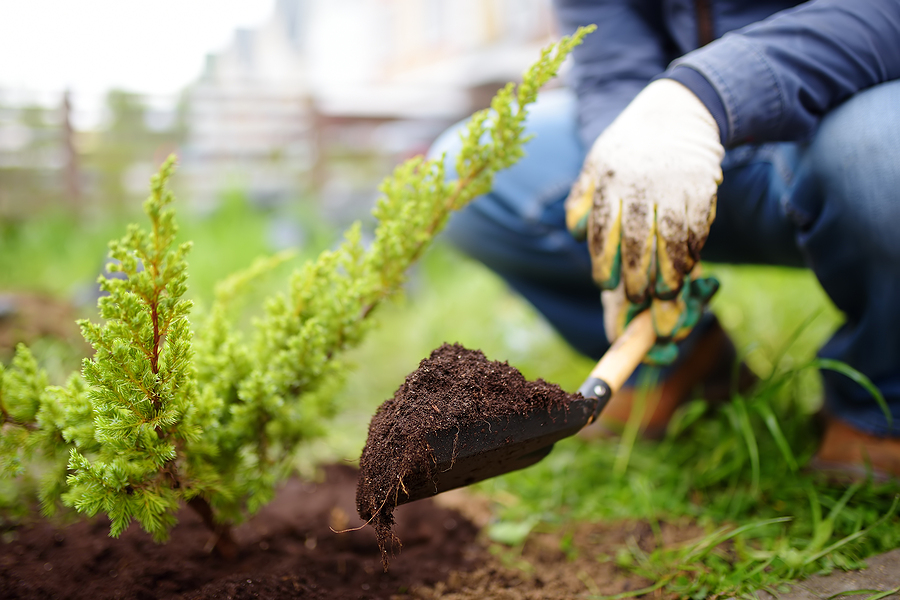
Seed may grow temporarily but will likely die off if you don’t address the underlying cause. Aerate compacted areas, remove debris, add soil when necessary, and pick grass seed suited to the conditions.
Keep dogs, kids, and other traffic off of the lawn while seedlings become established. Large problem areas may need additional attention. Consult a lawn care professional to see if your lawn would benefit from aeration, grading, drainage improvements, soil amendments, or a different type of ground cover.
Which Fall Lawn Care Tasks Are Most Important?
Not every property will require the same services. That said, most homeowners with cool-season grass should ensure they:
- Keep cutting the grass until it stops growing.
- Remove heavy debris and leaves.
- Aerate to reduce compaction or improve drainage.
- Overseed thin turf early enough for grass to establish.
- Feed the lawn according to its nutritional needs.
- Water new seed and dry yards as needed.
- Inspect turf for problem areas that need attention.
You don’t need to do every possible thing to your lawn. A thick lawn with healthy soil may only need cutting and leaf removal. Other lawns may benefit from aeration, overseeding, and fertilization as part of a fall renovation plan.
What Fall Lawn Care Tasks Should I Not Miss?
What fall lawn care tasks should I not miss? Don’t stop mowing yet; rake away heavy leaves, patch thin areas, and correct any soil issues before winter. Taking care of these tasks can help your lawn wake up healthier and look better in the spring.
Need help getting your Maine lawn ready for winter? Contact One Mow Co. today to schedule fall clean-up, lawn aeration, overseeding, fertilization, or regular lawn maintenance in York County, ME.