Maine has a different kind of lawn care rhythm than most places. The growing season is shorter, the weather can change quickly, and what works in warmer regions does not always translate well here.
That is why eco-friendly lawn mowing in Maine is not just about using less fuel or avoiding chemicals. It is about working with the environment instead of against it. When mowing practices are adjusted to match local conditions, you get a healthier lawn while reducing unnecessary impact.
Small changes in how you mow can make a noticeable difference over the course of a season.
Why Eco-Friendly Mowing Matters in Maine
Maine’s environment is sensitive in ways that are easy to overlook. Soil composition, rainfall patterns, and proximity to lakes and coastal areas all influence how lawns behave.
Traditional mowing habits can unintentionally contribute to problems like soil compaction, runoff, and unnecessary stress on grass. Over time, that leads to weaker lawns that require more maintenance.
Eco-friendly practices aim to break that cycle. The goal is to support natural growth so the lawn becomes more self-sustaining.
Mow at the Right Height for Local Conditions
One of the simplest changes you can make is adjusting your mowing height.
In Maine, grass tends to perform better when it is kept slightly longer. Taller grass shades the soil, helping it retain moisture and stay cooler during warmer stretches.
It also encourages deeper root growth, which makes the lawn more resilient when conditions become dry or unpredictable.
Cutting too short may make the lawn look tidy for a day or two, but it stresses the grass and makes it more dependent on watering and fertilization.
Keep Your Mower Blades Sharp
Blade sharpness is a key part of eco-friendly mowing, even if it does not always get attention.
A sharp blade cuts cleanly, allowing the grass to heal quickly and retain moisture. A dull blade tears the grass, leading to browning and increasing the risk of disease.
Over time, repeated damage from dull blades weakens the lawn and creates the need for more corrective treatments. Keeping blades sharp helps avoid that cycle and supports healthier, more natural growth.
Leave Grass Clippings on the Lawn
One of the easiest eco-friendly practices is also one of the most effective. Instead of bagging clippings, leave them on the lawn.
Grass clippings break down quickly and return nutrients to the soil. This natural process acts as a form of fertilization, reducing the need for additional products.
Clippings also help the soil retain moisture, which can be especially useful during dry periods.
As long as you mow regularly and do not remove too much at once, clippings will not cause buildup or harm the lawn.
Avoid Mowing When the Lawn Is Stressed
Timing matters more than most people realize.
Mowing during the hottest part of the day or during a dry spell can add unnecessary stress to the grass. In Maine, it is often better to mow in the morning or early evening when temperatures are more moderate.
It is also important to avoid mowing when the lawn is overly wet. Saturated soil can lead to compaction, and the mower can leave ruts that affect the surface over time.
Paying attention to timing helps protect both the grass and the soil beneath it.
Reduce Fuel Use Where Possible
Eco-friendly mowing also includes looking at how equipment is used.
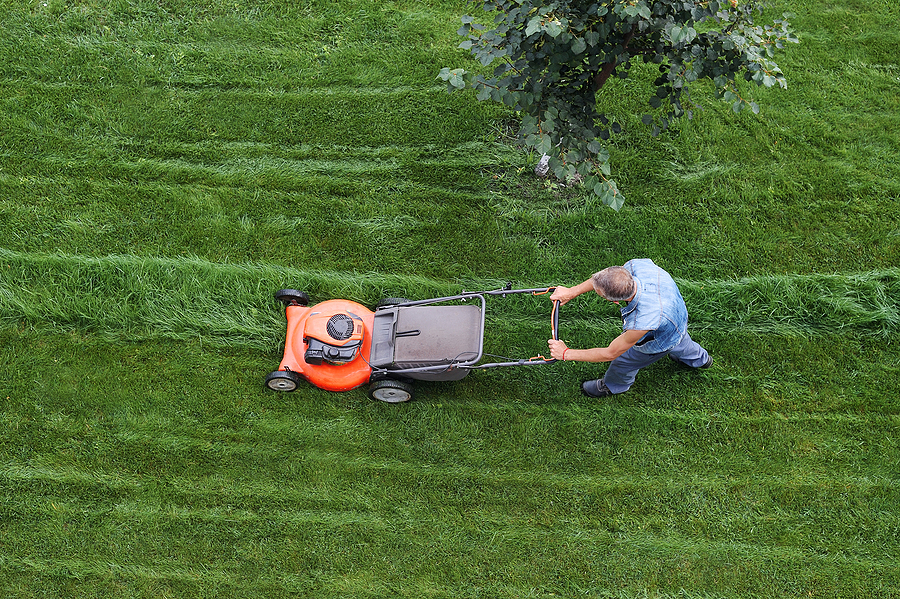
Gas-powered mowers are common, but they do produce emissions. Reducing mowing frequency when possible and maintaining equipment properly can help limit that impact.
Some homeowners are also moving toward electric mowers, which offer a quieter and lower-emission alternative for smaller properties.
While equipment choice is only one part of the equation, it still contributes to a more sustainable approach overall.
Focus on Consistency Instead of Overcorrection
One of the biggest mistakes in lawn care is trying to fix everything at once.
Eco-friendly mowing is built around consistency. Regular mowing at the right height, combined with proper timing and maintenance, helps the lawn stay healthy without the need for aggressive treatments.
When the lawn is maintained this way, it becomes more resistant to weeds, pests, and environmental stress. That reduces the need for chemical interventions and keeps the overall approach more natural.
Practical Eco-Friendly Mowing Habits
If you are looking to simplify your routine, a few consistent habits can make a big difference:
- Keep the grass slightly taller to protect the soil and retain moisture
- Leave clippings in place to return nutrients naturally
- Mow during cooler parts of the day to reduce stress on the grass
- Maintain sharp blades to avoid damaging the lawn
These are small adjustments, but over time they add up to a healthier and more sustainable lawn.
Why Local Experience Matters
Maine’s climate and soil conditions are not the same as those in other parts of the country. What works in one region may not produce the same results here.
That is why local knowledge is important. Understanding how grass behaves in this environment allows for better decisions about mowing, timing, and overall care.
It is not about following a generic routine. It is about adapting to the conditions you are working with.
The Bottom Line
Eco-friendly lawn mowing in Maine is about making smarter choices that support long-term lawn health.
By adjusting mowing height, timing, and maintenance practices, you can reduce stress on your grass and minimize environmental impact.
The result is a lawn that looks better, performs better, and requires less maintenance.
CTA
If you want a healthier lawn while taking a more sustainable approach to maintenance, One Mow Co can help. Our team understands how to care for Maine lawns properly and delivers consistent results without unnecessary treatments. Reach out today to schedule service and keep your lawn looking its best.