Most people focus on mowing height, watering schedules, and fertilizer when trying to get a better-looking lawn. Those all matter. But there is one factor that is overlooked far more often than it should be. Blade sharpness.
It may seem like a small detail, but it directly affects how your grass looks, grows, and resists stress. A sharp mower blade does more than just cut grass. It plays a major role in overall lawn health.
What a Sharp Blade Actually Does
A sharp mower blade cuts grass cleanly, almost like a pair of scissors. The tip of each blade of grass is sliced rather than damaged.
That clean cut allows the plant to heal quickly. The grass retains moisture, continues growing normally, and keeps its healthy green color.
When everything is working the way it should, your lawn looks even, smooth, and consistent. That “fresh cut” look lasts longer because the grass is not struggling to recover.
What Happens When the Blade Is Dull
A dull blade does not cut grass. It tears it.
Instead of a clean edge, the grass ends up with jagged, frayed tips. Those torn edges dry out quickly and turn brown, which is why lawns often look discolored just a day or two after mowing.
The problem goes beyond appearance. Torn grass blades lose more moisture and become stressed, especially during hot weather.
That stress weakens the plant and slows down growth, even if everything else about your lawn care routine is correct.
How Blade Sharpness Impacts Grass Health
Grass is constantly recovering from mowing. Every time you cut it, you are removing part of the plant. How that cut is made determines how quickly it bounces back.
A sharp blade supports healthy growth in several ways:
- It reduces stress on the plant by creating a clean cut
- It helps the grass retain moisture instead of drying out
- It allows the lawn to recover faster between mowings
- It supports thicker, denser turf over time
When grass is healthy and dense, it naturally crowds out weeds and holds up better under heat and foot traffic.
A dull blade does the opposite. It weakens the grass, making it more vulnerable to problems.
Increased Risk of Disease and Pests
One of the biggest issues with dull blades is something you cannot always see right away.
Torn grass tips act like open wounds. They create entry points for fungal diseases and pests, especially under warm, humid conditions.
That means a simple mowing issue can turn into a lawn health problem over time.
Even if you are watering and fertilizing correctly, damaged grass is more likely to develop issues that require additional treatment.
The Visual Difference Is Immediate
If you have ever noticed your lawn looking uneven or slightly brown after mowing, blade sharpness is often the reason.
With a sharp blade, the lawn has a clean, uniform appearance. The tips stay green, and the surface looks smooth.
With a dull blade, the lawn can look rough or faded within a day or two. The difference is not subtle. It is one of the quickest ways to tell how well a mower is performing.
In fact, experts consistently point out that dull blades leave ragged edges, leading to visible browning and stress in the grass.
How Often Should Blades Be Sharpened?
Blade sharpness is not something you check once a year and forget about.
The frequency depends on how often you mow and the conditions of your lawn. Hitting rocks, sticks, or even sandy soil can dull a blade faster than expected.
A good general guideline is to sharpen mower blades at least once or twice per mowing season, and more often if you mow frequently or notice signs of tearing.
Some signs your blade needs attention include:
- Grass tips are turning brown shortly after mowing
- Uneven or ragged cuts across the lawn
- Needing multiple passes to cut evenly
Paying attention to these signs helps you stay ahead of the problem.
Why Professional Lawn Care Makes a Difference
Keeping blades sharp is not just about maintenance. It is about consistency.
Professional lawn care services monitor blade condition regularly and sharpen or replace blades as needed. That ensures every cut is clean and every visit supports your lawn’s health.
For homeowners, it is easy to overlook or delay this kind of maintenance. Over time, that can affect the yard’s overall condition, even if everything else is done right.
Blade Sharpness and Long-Term Lawn Quality
Healthy lawns are built over time. They are the result of consistent care, not just occasional improvements.
Blade sharpness plays a role in that long-term picture. Clean cuts allow grass to grow thicker, stronger, and more resilient.
Over time, that leads to a lawn that:
- Looks greener and more even
- Handles stress better during heat and drought
- Requires fewer corrective treatments
It is one of the simplest ways to improve results without changing your entire lawn care routine.
The Bottom Line
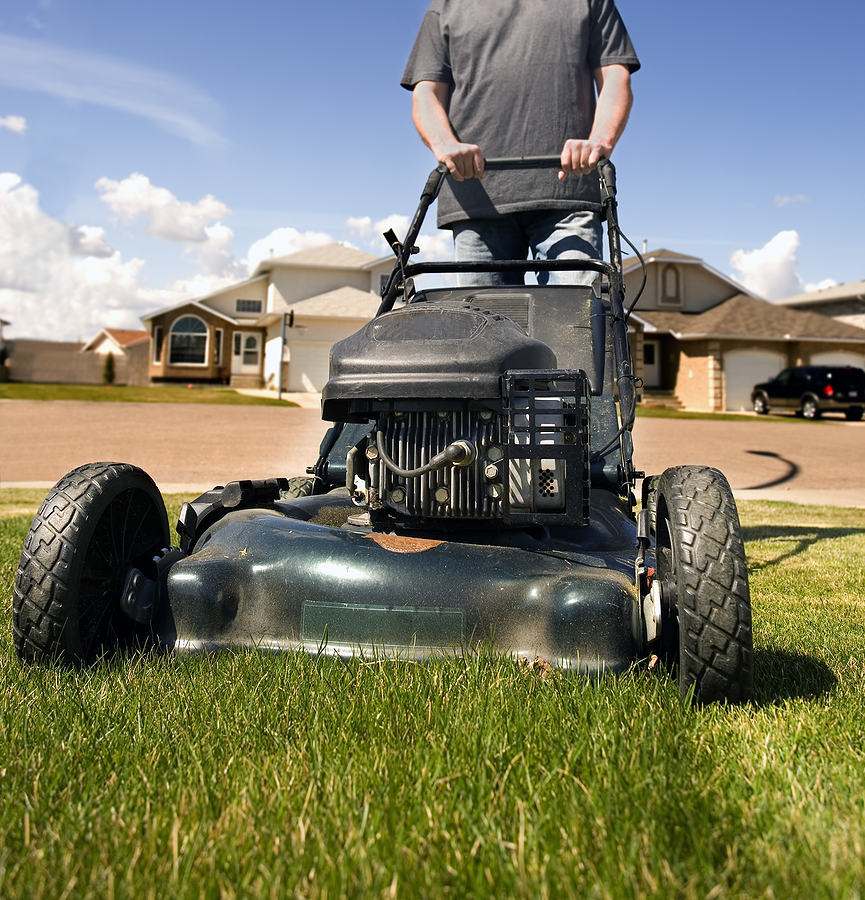
Lawn mower blade sharpness is one of the most overlooked factors in grass health. It affects how your lawn looks immediately after mowing and how it performs over time.
A sharp blade creates clean cuts that support healthy growth. A dull blade tears the grass, leading to stress, discoloration, and increased risk of disease.
If your lawn is not looking as good as it should, this is one of the first things worth checking.
If you want a healthier, better-looking lawn without the guesswork, One Mow Co can help. Our team maintains equipment properly and delivers clean, consistent cuts that support long-term grass health. Reach out today to schedule service and see the difference a professional cut can make.