Kennebunk’s postcard charm meets some tough seasonal realities: salt-laced winds, freeze–thaw cycles, heavy, wet snow, and late-winter sun that can scorch evergreens. Smart seasonal landscaping turns those stressors into a plan.
Below is a concise, Maine-specific guide to seasonal garden care that protects your plants, soil, and hardscape so spring starts stronger and greener.
Seasonal Landscaping
Walk the property with a cold-season lens. Where does water collect after fall storms? Which beds face prevailing winds? Are there salt-exposed edges along the road, driveway, or walkway? In coastal Maine, winter injury is usually a mix of desiccation (drying winds and winter sun), freeze damage, and physical breakage from ice or snow load. The fixes are practical: water deeply before the ground freezes if autumn has been dry, apply mulch correctly, and add protection where wind and sun are harsh.
Mulch: Insulate Roots And Stabilize Soil
Mulch isn’t about “warming” plants; it’s about keeping soil temperatures even so roots don’t heave during freeze–thaw. A 2–3 inch layer around perennials and shallow-rooted shrubs is usually enough (keep it off trunks and crowns).
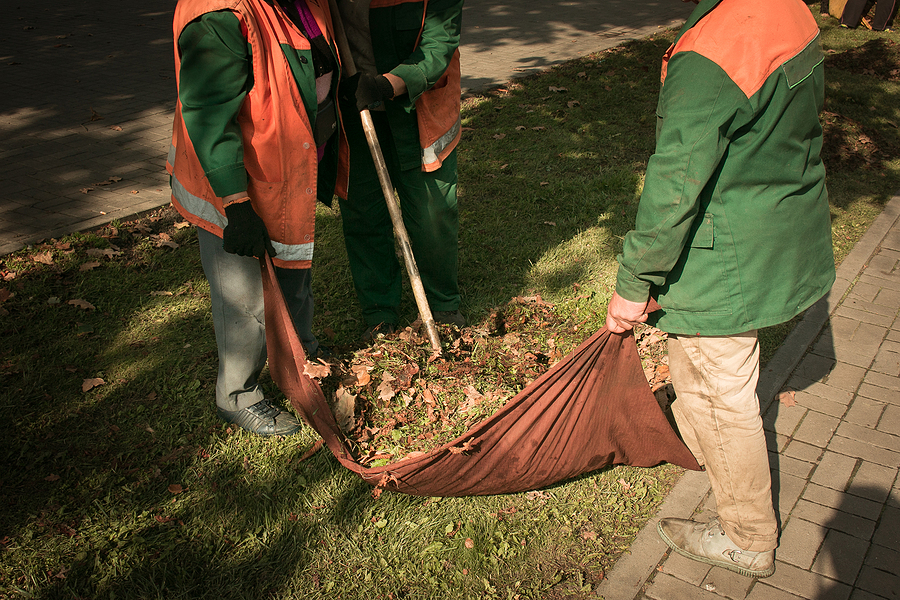
Don’t bag every leaf; mulched leaves are a winter friend: they reduce desiccation and erosion, help keep frost in the ground to prevent heaving, and shelter beneficial insects. Shred if you like, but unless you’re dealing with heavy, matted oak leaves, it’s not essential.
Lawns: Set Up For Dormancy
Cool-season turf appreciates a final tune-up. Continue mowing through fall as growth slows, then finish with a slightly lower “last cut” to reduce winter matting and spring snow mold risk. Municipal guidance in southern Maine recommends ending around 2–2.5 inches once hard frosts shut growth down; that aligns with broader turf advice to keep fall height in the ~2.5–3 inch range, with a modest drop on the final pass. Mulch falls back into the canopy to feed soil biology rather than exporting nutrients.
If you seeded late, mow new grass when it reaches about four inches—early mowing encourages tillering and thickness before winter.
Shrubs & Trees: Prune Later, Not Now
Resist the urge to “clean up” woody plants in early fall. In Maine, most structural pruning is best in late winter into early spring when trees are dormant; heavy fall pruning can reduce cold hardiness and invite injury if severe cold follows. Flowering shrubs that bloom on new wood (e.g., certain hydrangeas and rose-of-Sharon) can also be pruned in late winter/early spring without sacrificing bloom. Save shaping cuts on fruit trees for late winter as well.
Evergreens: Block Wind And Low Winter Sun
Evergreens along open exposures or near salted roads suffer “winter burn” when foliage loses moisture faster than roots can replace it. Water deeply so it goes into a freeze, maintain mulch, and consider temporary windbreaks (burlap, snow fencing) on the windward side. On the worst sites, a simple screen that shades afternoon sun in late winter can make a visible difference.
Salt: Protect Plants And Waterways
De-icing salts don’t just scorch plant tissue; they accumulate in soils and can wash into nearby streams. Plan for physical barriers (plow lines, snow-storage zones) that keep salty piles away from plantings, and favor sand or reduced-salt blends where possible.
Choose salt-tolerant plantings along drive edges and buffer strips. Maine DEP has flagged chloride as a growing concern for small streams, so every bit of reduction and redirection helps.
Hardscape & Drainage: Fix Small Problems Now
Winter magnifies grading and drainage flaws. If you’ve got a low spot near the foundation or a walkway that ices up, address pitch and infiltration now. A simple swale, a discreet drywell, or a rain-garden basin downslope of roof leaders spreads and sinks water instead of letting it freeze where you walk. Those same features shine in spring thaws and nor’easters.
Your Winter-Prep Shortlist
- Water in dry fall weather. A final deep soak before soil locks up reduces evergreen desiccation and winter injury.
- Mulch 2–3 inches. Insulate root zones; use chopped or whole leaves where practical to prevent heaving and protect soil life.
- Make the last lawn cut slightly lower. Aim for ~2–2.5″ for the final mow; keep fall height in the 2.5–3″ range. Mulch leaves into the turf.
- Delay major pruning. Schedule structural cuts and fruit-tree pruning for late winter/early spring.
- Shield exposed evergreens. Set burlap windbreaks on the windward side where burn is common.
- Rethink salt. Keep salty snow away from plantings; adjust materials and storage to protect soils and streams. M
What Not To Do
- Don’t bury trunks in mulch. Volcano mulching invites rot and rodents; keep mulch a few inches off bark.
- Don’t scalp the lawn. Going too low stresses turf and can worsen winterkill. Use a modest height drop only at season’s end.
- Don’t perform heavy fall pruning. You’ll reduce cold hardiness and may cut off next year’s flowers on species that bloom on old wood.
- Don’t stack salty snow on beds. It concentrates sodium where roots live and harms spring growth.
Plant-By-Plant Touches
- Perennials: After hard frost, cut back mushy tops where disease was present, but leave standing seedheads and sturdy stems as winter habitat if aesthetics allow. Add leaf mulch to shallow-rooted or newly planted clumps to curb heaving.
- New plantings: First-year trees and shrubs need extra attention. Check that roots were watered in well and mulch is in place; consider a wind screen on exposed sites.
- Containers: Either move pots to a protected, unheated spot or cluster and wrap them; even hardy perennials are more vulnerable above ground. A 2–3″ mulch layer in containers helps protect root balls.
Tools, Irrigation, And Edges
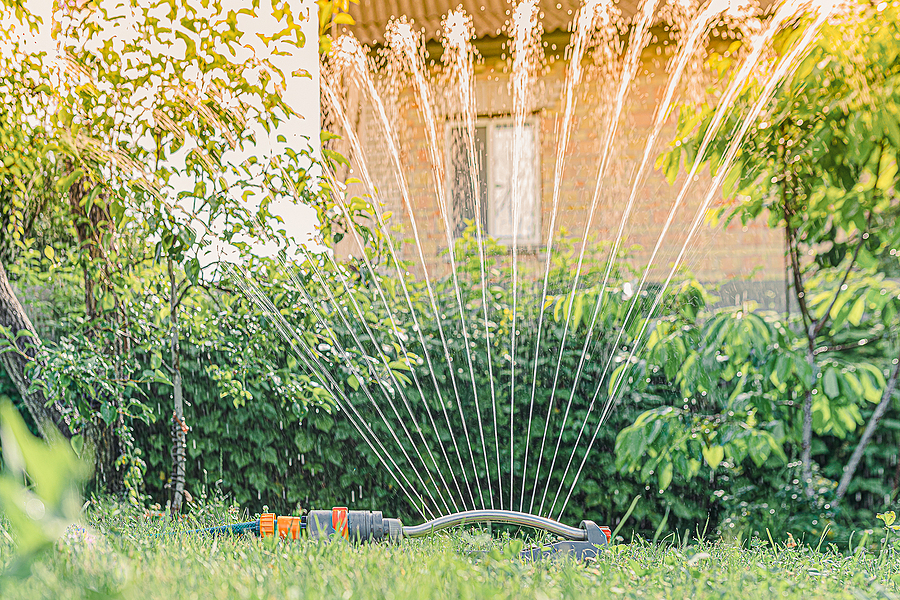
Drain and blow out irrigation lines and drip zones before freezing. Coil and store hoses (open the ends so trapped water can escape). Sharpen pruners and label winter projects now—your late-winter self will thank you when pruning season opens. For plow season, set snow markers to keep equipment off lawn edges and away from young shrubs. Small steps protect crowns and keep spring repairs minimal.
Looking Ahead: Design For Easier Winters
If winter damage repeats in the same places, your landscape is telling you something. A revised plant palette (more wind- or salt-tolerant species), a strategic windbreak, or a modest grade change can make winter care simpler every year. UMaine’s guidance on selecting woody plants matched to a purpose, screening wind, feeding birds, or blocking views, is a good planning lens as you update problem areas.
Want Winter-Ready Without The Weekend Work?
One Mow Co. handles seasonal landscaping in Kennebunk from A to Z: fall cleanups that don’t strip your soil bare, mulch and leaf management that protect roots and pollinators, evergreen windbreaks, irrigation blow-outs, and spring-ready pruning plans. If you’d rather spend your Saturdays somewhere warmer (even if it’s just by the fireplace), we’ll put your seasonal garden care on autopilot, and set you up for a happier spring.
Let’s walk your yard and build a winter plan that fits your home and the coast. Schedule a visit with One Mow Co.