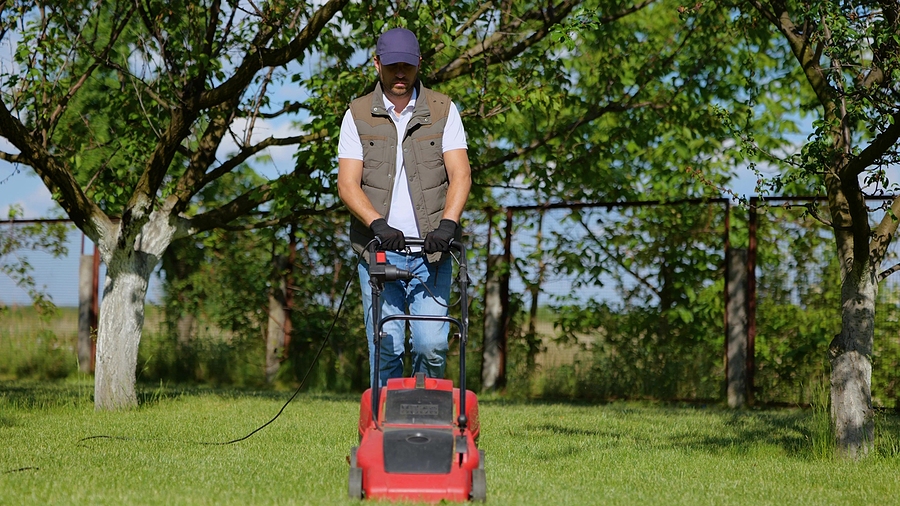
Maine’s climate creates unique challenges for lawn care. Long winters, short growing seasons, and fluctuating spring and fall temperatures all affect how fast grass grows and how often it needs to be cut. Understanding the right lawn mowing frequency throughout the year helps keep turf healthy, improves appearance, and reduces long-term maintenance issues.
Because grass growth changes dramatically from season to season, seasonal lawn mowing schedules are far more effective than a one-size-fits-all approach.
Why Lawn Mowing Frequency Matters
Mowing is not just about keeping a lawn neat. Cutting too often or not often enough can stress grass, weaken root systems, and create ideal conditions for weeds and disease.
Proper lawn mowing frequency encourages thicker growth, improves drought tolerance, and helps grass recover from seasonal stress. In Maine, timing matters just as much as technique due to temperature swings and varying rainfall patterns.
Spring Lawn Mowing in Maine
Spring is a critical period for lawn health. As temperatures rise and snow melts, grass begins to wake up from dormancy. Growth may appear uneven at first, especially in areas affected by snow mold or winter compaction.
During early spring, seasonal lawn mowing should be light and less frequent. Cutting too aggressively can damage grass that is still establishing new growth. Once consistent growth begins, mowing typically increases to about once per week, depending on rainfall and temperature.
Spring mowing also helps clean up leftover debris and encourages healthier, more uniform growth heading into summer.
Summer Lawn Mowing Frequency
Summer brings the most active growth period for many Maine lawns, particularly during early summer when moisture levels are higher. During this time, lawn mowing frequency often increases.
Most lawns require mowing every 7 to 10 days in early summer. As temperatures rise and conditions become drier, growth may slow. During hot or dry stretches, reducing mowing frequency helps prevent stress and protects the grass from excessive moisture loss.
Raising the mower height during summer also helps shade the soil and maintain healthier turf.
Adjusting Mowing During Heat and Drought
Maine summers can include periods of heat and limited rainfall. During these times, seasonal lawn mowing should be adjusted to reflect slower growth.
Cutting less frequently and leaving grass slightly taller reduces stress on the lawn. This approach helps grass retain moisture and improve resilience during dry conditions.
Understanding when to ease back on mowing is just as important as knowing when to mow more often.
Fall Lawn Mowing in Maine
Fall is another important season for lawn care. Cooler temperatures and increased moisture often trigger a second growth phase. During early fall, lawn mowing frequency may return to a weekly schedule as grass responds to favorable conditions.
As temperatures drop and growth slows later in the season, mowing becomes less frequent. The final mowing of the year should leave grass at an appropriate height to reduce the risk of winter damage and snow mold.
Proper fall mowing sets the stage for healthier lawns in the spring.
Why Seasonal Lawn Mowing Is More Effective
Following a seasonal lawn mowing approach aligns maintenance with natural growth cycles. Instead of forcing the lawn into a rigid schedule, mowing adapts to temperature, moisture, and growth rate.
This approach reduces stress on the grass, improves appearance, and minimizes the need for corrective treatments. It also helps lawns recover more easily from Maine’s long winters and short growing seasons.
Seasonal lawn mowing supports long-term turf health rather than short-term aesthetics alone.
Factors That Influence Lawn Mowing Frequency
Not all lawns grow at the same rate. Soil quality, grass type, sun exposure, and irrigation all affect how often mowing is needed.
Lawns with full sun and regular moisture may require more frequent mowing, while shaded or naturally dry areas may grow more slowly. Understanding these variables helps fine-tune lawn mowing frequency for better results.
Professional lawn care providers evaluate these factors to create mowing schedules that fit each property.
The Value of Professional Lawn Mowing Services
Managing lawn mowing frequency throughout the year takes time, consistency, and local knowledge. Professional lawn care services understand Maine’s climate and how it affects turf growth from season to season.
Consistent mowing at the right intervals improves curb appeal and reduces the risk of long-term lawn issues. Professional services also ensure proper equipment, cutting height, and timing are used throughout the year.
Keep Your Lawn on the Right Schedule
Maintaining the correct lawn mowing frequency is one of the simplest ways to improve lawn health and appearance in Maine. By adjusting seasonal lawn mowing schedules to match growth patterns, homeowners can enjoy stronger, more resilient turf year after year.
If you want reliable, professional lawn care tailored to Maine’s seasons, contact One Mow Co. and schedule your lawn mowing service today. A well-timed mowing schedule makes all the difference.