If you live in Kennebunk, you already know that the weather can swing fast. A few rainy weeks can turn into a dry stretch that makes lawns, beds, and foundation plantings look stressed. With smart irrigation system management, you can keep your property healthy while reducing waste and supporting water conservation landscaping.
Southern Maine has also seen periods of drought and low water conditions in recent years, which is a good reminder that saving water is not just a “nice idea.” It is a practical way to protect your landscape and your water bill. When your system is tuned correctly, you usually use less water and get better results.
Start With A Simple Irrigation Audit
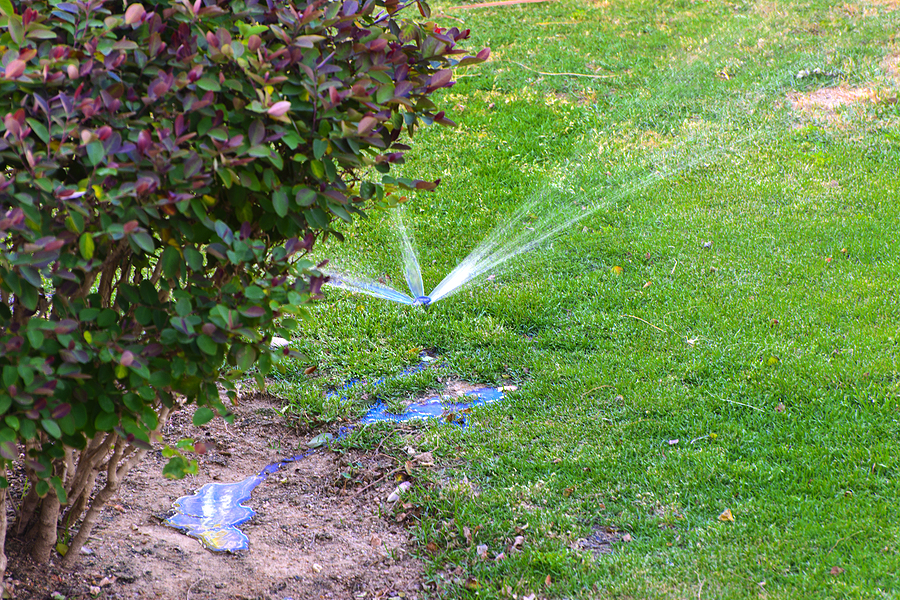
Most water waste comes from small issues that stack up. A head that is tilted can spray the driveway every morning, and a clogged nozzle can create dry spots that tempt you to water longer. Walk your zones while the system runs and look for misting, pooling, and overspray.
Pay attention to coverage around slopes and sandy areas, which are common in coastal Maine landscapes. Water that runs off a slope is water you paid for, but your plants never use. Fixing coverage problems is one of the quickest wins you can get.
Water At The Right Time In Kennebunk
Timing matters more than most people think. Early morning watering reduces evaporation and helps grass dry out faster, which can lower disease pressure. Maine lawn guidance commonly recommends morning watering, roughly in the 6 a.m. to 10 a.m. window.
Avoid watering when it is windy, because spray drift can blow water away from your target areas. Also, skip irrigation on cool, overcast, or rainy days. It sounds obvious, but many systems keep running because schedules never get adjusted.
Water Deeply, Not Daily
Daily watering trains roots to stay shallow. In Maine, lawns often do better with deeper watering a couple of times per week instead of a little bit every day. One practical guideline is that many lawns need about 1.0 to 1.5 inches of water per week, including rainfall, adjusted for your soil and sun exposure.
If your lawn goes a little brown during a dry spell, that does not always mean it is dead. Many cool-season grasses can go dormant and rebound when moisture returns. Letting turf rest instead of forcing it green all summer can be a real conservation strategy.
Upgrade The Controls, Not Just The Sprinklers
A solid controller setup can reduce water use without sacrificing curb appeal. Rain sensors and smart controllers help prevent “watering in the rain” schedules that waste water. Even if you do not go fully smart, a seasonal adjustment (spring vs. summer vs. fall) is huge.
In Kennebunk, irrigation demand changes quickly with coastal humidity, foggy mornings, and sudden heat. The more your schedule reflects real conditions, the fewer surprises you get. If you are not sure how to program it correctly, having a pro set it up once can save a lot of time.
Match Zones To Plants And Sun
A common design problem is running one zone for everything. Turf in full sun needs a different watering pattern than shade hostas, and a front foundation bed usually needs less than an open lawn. When zones are mixed, you either overwater something or underwater something.
This is where water conservation landscaping ties directly to irrigation success. Group plants by water needs, and you can water each zone only as much as it truly needs. If you have garden beds, drip irrigation or micro-irrigation can also cut down evaporation and deliver water right to the root zone.
Use Soil And Mowing To Reduce Demand
Irrigation works best when the soil can actually hold and absorb water. Healthy soil structure and organic matter help water soak in instead of running off. Aeration and overseeding can also support deeper roots, which helps the lawn stay resilient with less frequent watering.
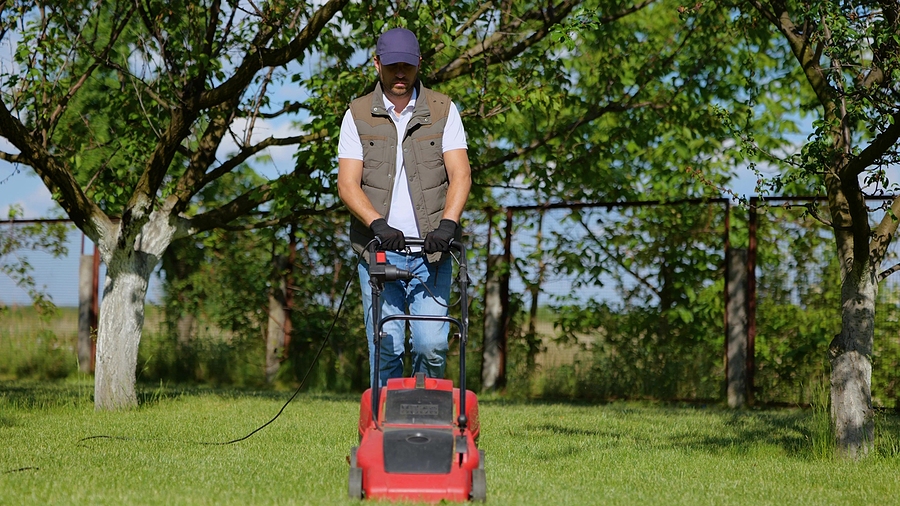
Mowing height matters too. The Kennebunk, Kennebunkport & Wells Water District notes that keeping mower blades a bit higher can reduce evaporation and reduce how often you need to irrigate. That is an easy habit change with a real payoff. KK&W
Keep Up With Seasonal Maintenance
In Maine, seasonal care is not optional if you want efficiency. Spring start-ups, mid-season checks, and proper winterization can prevent leaks, broken heads, and pressure issues. Those problems do not just damage the system; they waste a lot of water quickly.
A good routine also includes regular site assessments. When you adjust zones as plants mature and beds fill in, you avoid watering space. That is the quiet, ongoing version of irrigation system management that keeps properties looking sharp.
Get Help When You Want It Done Right
If you want a greener landscape with less waste, One Mow Co. provides irrigation system management services in Kennebunk and surrounding coastal communities. Whether you need maintenance, repairs, or help optimizing your schedule for true efficiency, their team can keep your system running the way it should.
To request an estimate, contact One Mow Co.