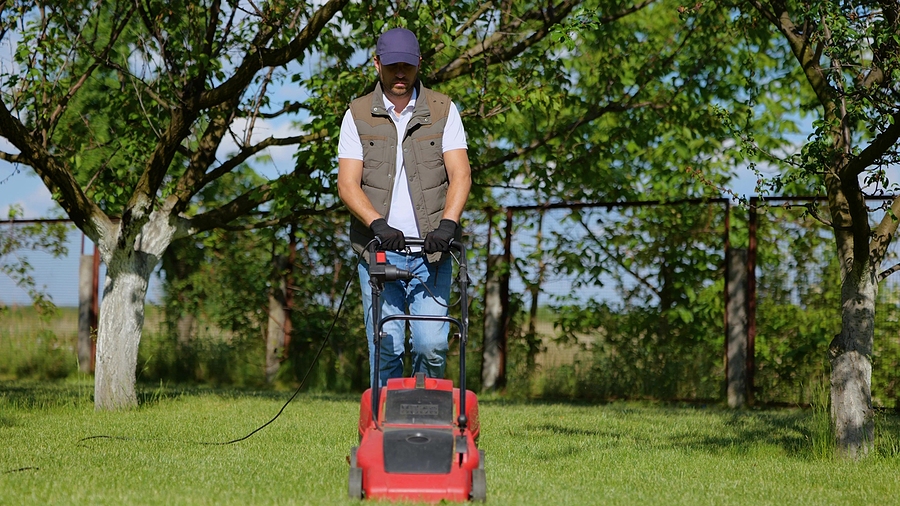
Healthy lawns do not happen by accident. Thick, green grass that looks full from edge to edge is usually the result of consistent care, proper timing, and the right mowing techniques. One of the most overlooked factors in lawn health is turf density, and it is directly influenced by how and how often your lawn is cut. This is where professional lawn mowing makes a measurable difference.
Many homeowners mow their lawns regularly, but regular mowing and proper mowing are not the same thing. Turf density refers to how closely grass plants grow together. Dense turf crowds out weeds, resists disease, and creates a stronger root system. Professional mowing services are designed to improve density over time, not just keep grass short.
What Turf Density Really Means for Your Lawn
Turf density describes the thickness of grass coverage across your lawn. A dense lawn has fewer bare spots, stronger lateral growth, and a more uniform appearance. This is important not only for aesthetics but also for durability.
Dense turf shades the soil surface, which helps retain moisture and regulate temperature. It also limits the space available for weeds to establish. When grass grows close together, it creates natural competition that favors healthy turf over invasive plants.
Why Mowing Height Matters
One of the biggest mistakes in DIY lawn care is cutting grass too short. While it may seem like mowing low reduces how often you need to mow, it actually weakens the grass. Shortcuts stress the plant, reduce photosynthesis, and limit the grass’s ability to spread and thicken.
Professional lawn mowing services follow recommended height ranges based on grass type and season. Maintaining proper height encourages grass blades to grow laterally, which directly improves turf density. Taller grass also supports deeper roots, making the lawn more resilient during heat and dry periods.
Consistent Mowing Encourages Lateral Growth
Grass responds to mowing by trying to recover. When mowing is done correctly and consistently, the grass plant responds by producing additional shoots, known as tillers. These tillers fill in gaps and help create a thicker lawn over time.
Inconsistent mowing disrupts this process. Skipping cuts or letting grass grow too tall before mowing removes too much leaf tissue at once. This shocks the plant and slows lateral growth. Professional lawn mowing follows a predictable schedule that supports steady, healthy turf development.
Sharp Blades Make a Real Difference
Blade sharpness is another factor that directly affects turf density. Dull mower blades tear grass instead of cutting it cleanly. This causes frayed tips that turn brown, increase moisture loss, and create entry points for disease.
Professional lawn mowing services maintain sharp equipment, ensuring each blade of grass is cut cleanly. Clean cuts heal faster, allowing the plant to redirect energy toward growth instead of recovery. Over time, this contributes to thicker, healthier turf.
Mowing Patterns Help Prevent Compaction
Mowing the same pattern every week can lead to soil compaction and uneven growth. Compacted soil restricts root expansion, which limits turf density. Professional mowing crews alternate patterns to distribute weight evenly and reduce stress on the lawn.
Changing mowing direction also helps grass blades grow upright instead of leaning in one direction. Upright growth improves light exposure and encourages uniform thickening across the lawn.
Grass Clippings Can Support Density
Contrary to popular belief, grass clippings are not always a problem. When mowing is done correctly, clippings are small and break down quickly. They return nutrients to the soil, supporting healthy growth.
Professional lawn mowing ensures clippings are sized properly and evenly dispersed. This natural nutrient recycling supports turf density without creating thatch buildup or smothering grass.
Seasonal Adjustments Protect Turf Health
Grass growth changes throughout the year. Cutting height, frequency, and mowing strategy should be adjusted with the seasons. During periods of active growth, frequent mowing encourages density. During stress periods, such as heat or drought, mowing should be adjusted to protect the plant.
Professional lawn mowing accounts for these seasonal shifts. This proactive approach prevents thinning and helps lawns recover faster after stressful conditions.
Why DIY Mowing Often Falls Short
Homeowners often have good intentions, but time, equipment limitations, and inconsistent schedules can work against turf density. Missed mowing windows, improper heights, and dull blades gradually thin the lawn, even if it looks fine on the surface.
Professional lawn mowing eliminates these variables. With trained crews, maintained equipment, and consistent scheduling, the focus shifts from short-term appearance to long-term turf health.
Long-Term Results Come From Professional Care
Improving turf density does not happen overnight. It is the result of repeated, correct mowing practices applied over time. Professional lawn mowing creates the conditions the grass needs to spread, strengthen, and fill in naturally.
A dense lawn is easier to maintain, more resistant to weeds, and better equipped to handle weather extremes. It also enhances curb appeal and property value.
Get Professional Lawn Mowing That Builds Turf Density
If your lawn looks thin, patchy, or struggles to stay healthy, it may be time to rethink your mowing strategy. Professional lawn mowing is one of the most effective ways to improve turf density and support long-term lawn health.
CTA: Ready to build a thicker, healthier lawn? Contact One Mow Co. today to schedule professional lawn mowing services that improve turf density and keep your lawn looking its best. Visit to get started.